
Why Small Businesses Need More Than Basic Cybersecurity
Compare common cybersecurity options for small businesses, from basic tools to managed protection, and learn what actually reduces risk.
Published on · Craig Wheeler · How this article was made
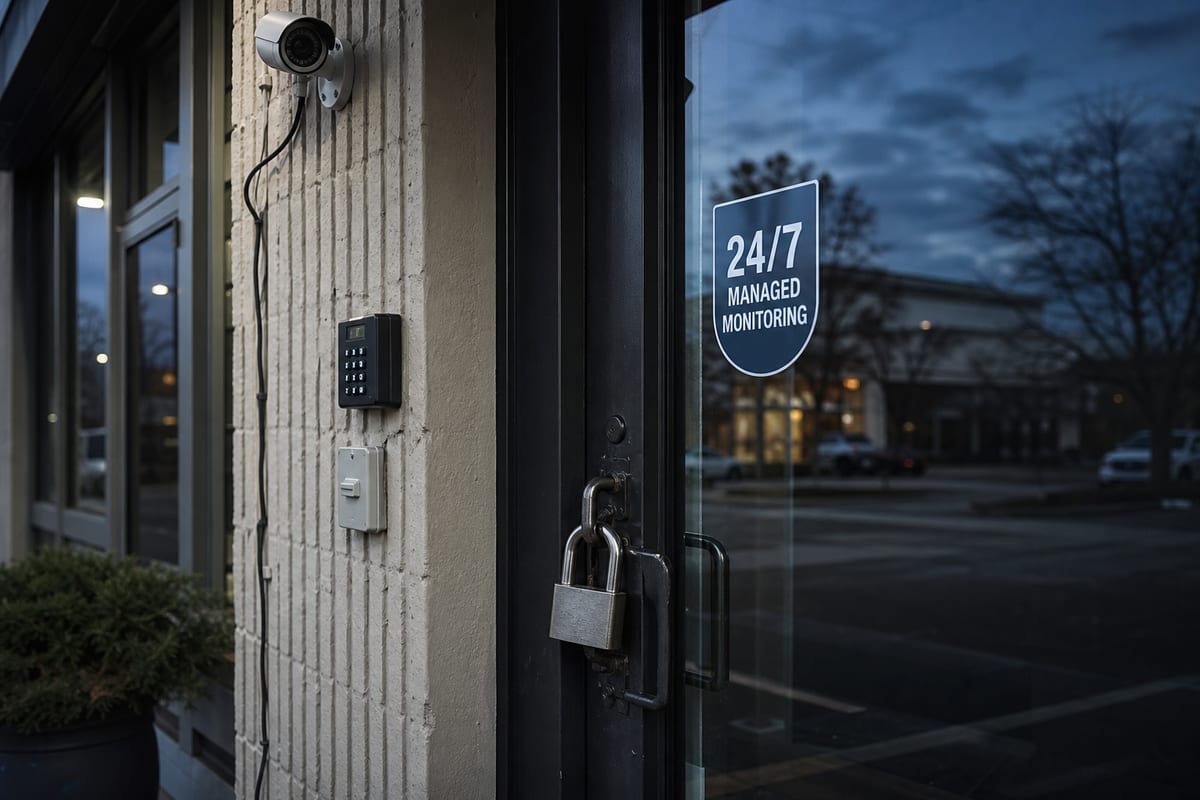
For many small businesses, cybersecurity starts with a few familiar tools, antivirus, spam filtering, and strong passwords. That is a reasonable starting point, but it is not the same as a complete security approach. The real challenge is deciding what level of protection fits your business, your team, and your risk.
Small companies often compare cost first, which makes sense. But the better comparison is basic protection versus layered protection, reactive help versus ongoing oversight, and do-it-yourself management versus expert support. Each option has tradeoffs, and the best choice depends on how much downtime, data loss, and uncertainty your business can afford.
Basic security tools vs. a layered security approach
A basic setup usually includes antivirus, a firewall, password rules, and software updates. For very small teams with limited systems, that can reduce obvious risks. It is affordable, familiar, and easier to manage.
The downside is that isolated tools do not always work together. They may catch known threats, but they often leave gaps in visibility, response, and user behavior. If someone clicks a convincing phishing email or signs in from an unsafe device, basic tools may not stop the problem before it spreads.
A layered approach adds monitoring, access controls, backup planning, employee awareness, and regular review of weak points. This does not mean buying every security product on the market. It means building protection in several places so one mistake or one failed tool does not become a business-wide disruption.
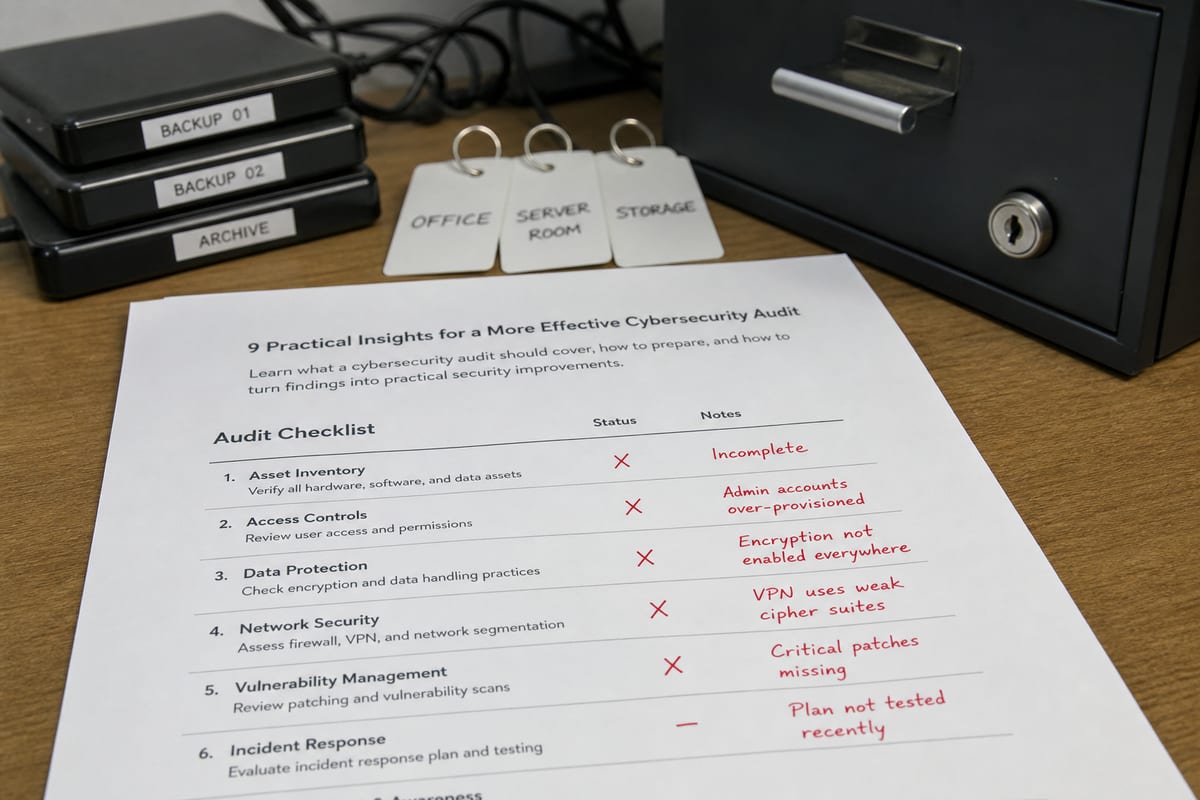
For many owners, the turning point comes when they realize cybersecurity is less about buying software and more about reducing single points of failure. A good place to start is a cybersecurity risk assessment that shows where your current setup is strong, and where it is too thin.
Reactive support vs. ongoing security management
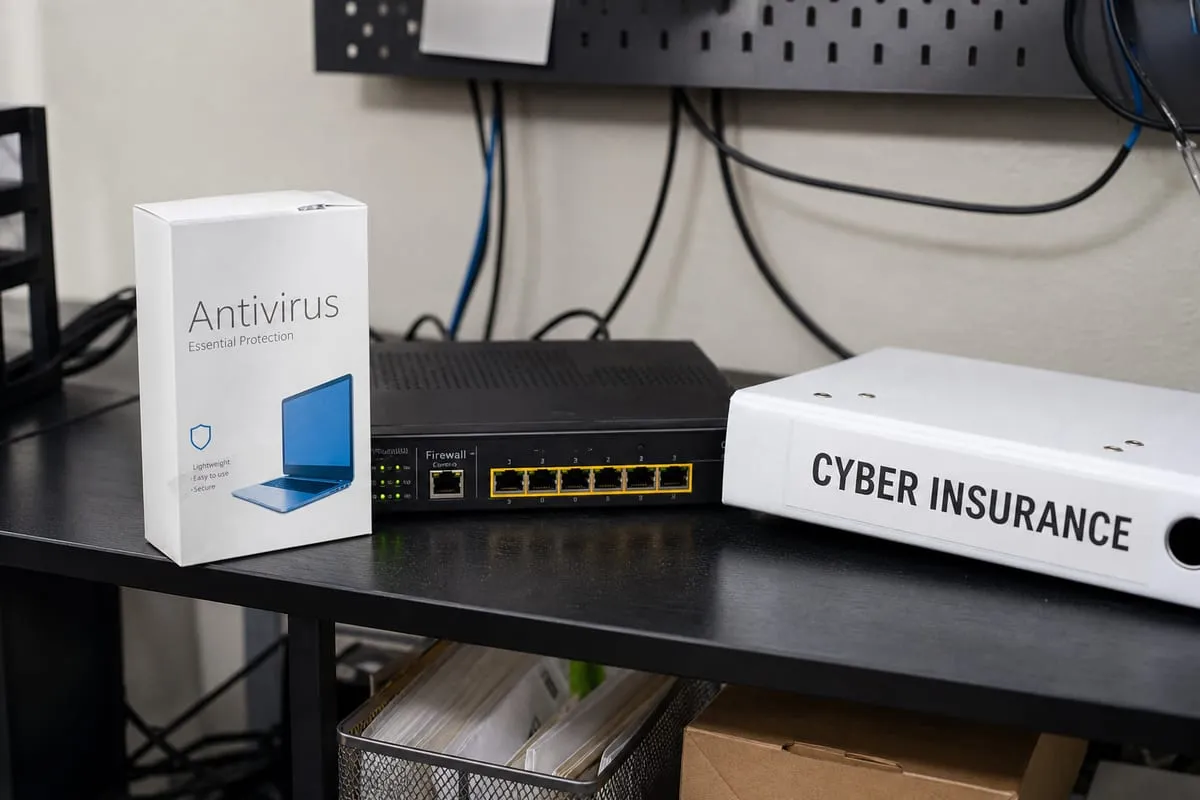
Some businesses only call for help after something goes wrong. That break-fix mindset can work for printer issues or a new workstation setup, but it is a weak model for security.
Reactive support usually costs less upfront. If your environment is simple and your risk is low, that may feel practical. The problem is timing. Security incidents move fast, and by the time you notice unusual activity, the damage may already include locked files, exposed accounts, or interrupted operations.
Ongoing security management shifts the focus from cleanup to prevention and early detection. Instead of waiting for a crisis, your systems are reviewed, alerts are investigated, and suspicious patterns are addressed before they turn into bigger problems. This approach is more consistent, but it also requires planning, accountability, and the right expertise.
That tradeoff matters for small businesses because even a short outage can disrupt billing, customer communication, scheduling, and internal operations. Predictable security work often feels less urgent than day-to-day business needs, until the day it becomes the most urgent issue in the company.
In-house oversight vs. outside expertise
Some small businesses prefer to keep cybersecurity decisions internal. That can work well when you have an experienced employee who understands systems, access controls, vendor settings, and incident response. Internal ownership can also improve speed because decisions stay close to the business.
Still, in-house management has limits. Most small companies do not have a full security team, and the person handling technology is often juggling many unrelated tasks. Cybersecurity becomes one responsibility among dozens, which increases the chance that reviews get delayed, alerts are missed, or policies stay informal.
Outside expertise can fill those gaps. A provider brings process, broader experience, and a clearer view of common weak points across small business environments. That does not mean giving up control. It means getting help with the parts that are easy to overlook when your staff is focused on serving customers and keeping operations moving.
If you are unsure which responsibilities should stay internal and which should be supported by a partner, a short security strategy conversation can help clarify the split.
Compliance-driven security vs. business-driven security
Some companies only improve security when a client, insurer, or regulator requires it. That compliance-first approach can be useful because it creates deadlines and clear documentation targets.
But compliance is not the same as protection. Meeting a checklist requirement does not automatically mean your business is prepared for real-world attacks, credential misuse, or accidental data exposure. In some cases, a company can technically pass a requirement while still relying on weak habits and inconsistent internal controls.
A business-driven approach starts with practical questions. What systems are essential every day? Which accounts would cause the most damage if compromised? How quickly could your team recover from lost files or a locked server? Those answers often lead to smarter priorities than a generic checklist alone.
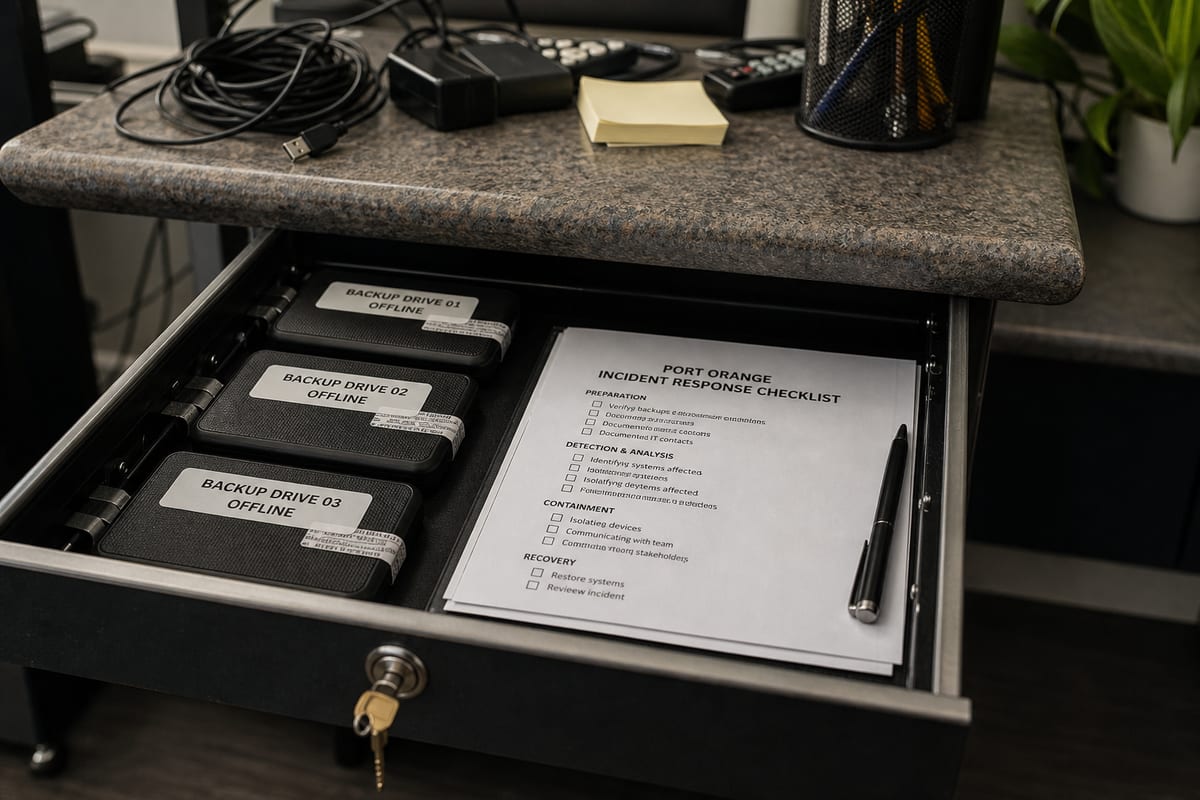
This is where backup planning becomes part of cybersecurity, not a separate conversation. Strong prevention matters, but recovery matters too. A resilient business usually pairs security controls with backup and disaster recovery planning so one incident does not become a long-term operational setback.
Cheap coverage vs. meaningful risk reduction
Price is always part of the conversation, especially for smaller organizations. The lowest-cost option may cover a few basics and satisfy the desire to do something now. That is understandable, and in some cases it is better than doing nothing.
The problem is that cheap coverage often creates false confidence. A business may assume it is protected because software is installed, while important issues remain unresolved, shared passwords, unmanaged devices, missing multi-factor authentication, weak permissions, or no tested recovery plan.
Meaningful risk reduction usually comes from making smarter decisions about priorities, not simply spending more. Often the highest-value improvements are straightforward: tightening access, reviewing backups, training staff to spot suspicious messages, and checking whether critical systems are actually being monitored. These steps are less flashy than enterprise security products, but they often have a bigger impact on real-world resilience.
Choosing the right fit for your business
Not every small business needs the same level of cybersecurity service. A professional office with cloud apps and client records has different needs than a retail shop with a limited system footprint. A growing company with remote staff faces different risks than a single-location team where everything stays on-site.
The better question is not, “What is the most advanced option?” It is, “What combination of tools, oversight, and recovery planning fits the way we actually work?” That comparison leads to better decisions than copying what a larger company does or relying on the minimum setup you started with years ago.
For businesses in Daytona Beach and throughout the Daytona Beach area, local support can also make security planning more practical. When your provider understands your environment, your pace, and the realities of running a small business, recommendations tend to be more useful and easier to act on.
Cybersecurity for a small business should feel proportional, practical, and clear. You do not need unnecessary complexity, but you do need more than a few disconnected tools and good intentions.
If you are weighing your options, start by identifying the gaps between what you have today and what your business would need during a real incident. Then build from there, one smart layer at a time.
If you want help sorting through the right level of protection for your team, contact BlazeLink today for expert guidance and practical cybersecurity support.