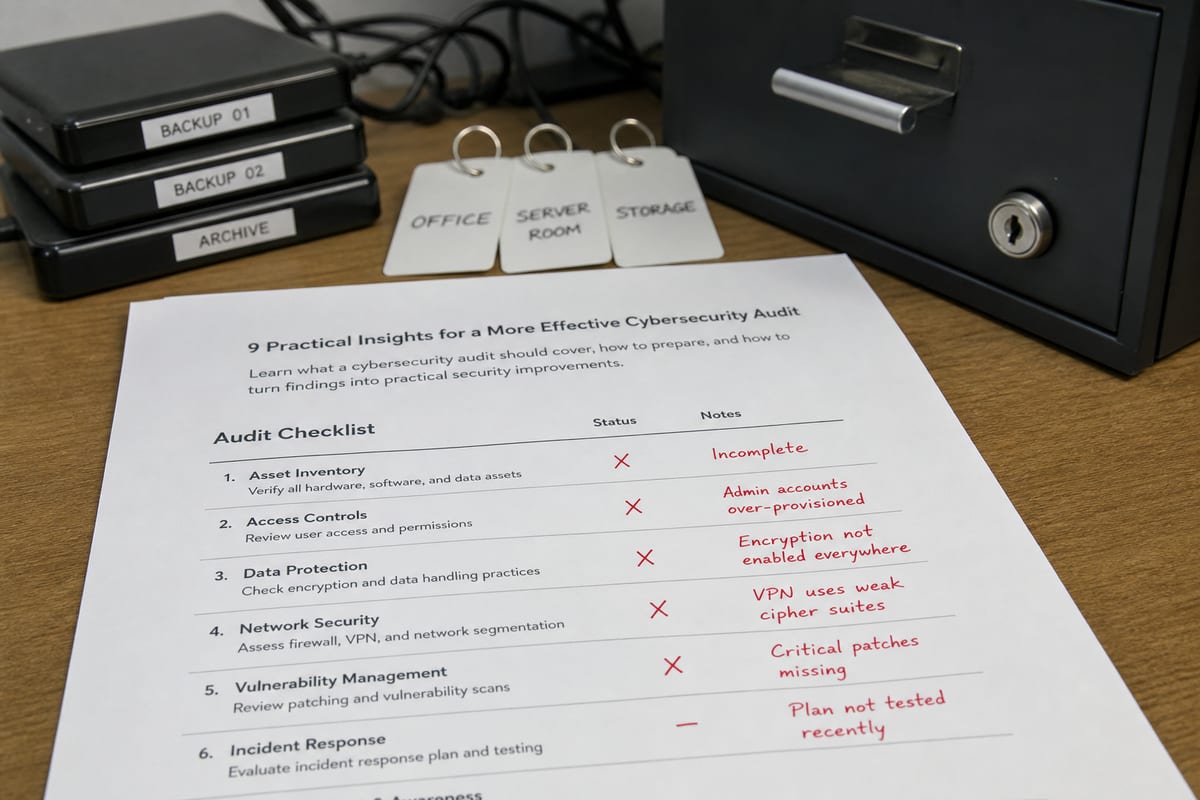

Is Your Port Orange Business Ready for the Next Cybersecurity Scare?
A practical look at how businesses in Port Orange can reduce cyber risk, respond faster, and build smarter security habits.
Published on · Craig Wheeler · How this article was made
A front desk employee opens an email that looks routine. It references an invoice, uses a familiar vendor name, and arrives during a busy afternoon when phones are ringing and customers are waiting. Nothing about it feels dramatic. Then a login prompt appears, a password gets entered, and by the next morning the business owner is locked out of a key account.
That kind of moment is how many security problems begin. Not with a movie-style hack, but with an ordinary workday in which someone is moving fast and trying to be helpful.
For businesses in Port Orange, that risk is not abstract. Local companies often operate with lean teams, shared responsibilities, and a mix of office, retail, healthcare, field service, and professional work. Along busy corridors like Dunlawton Avenue, where customer-facing businesses depend on fast transactions and constant communication, even a short disruption can ripple into missed appointments, delayed payments, and frustrated clients.
Cybersecurity services matter because they help prevent those small mistakes from turning into major business interruptions. More importantly, they help you build a business that can keep operating when something does go wrong.
Where the real risk usually starts
Most business owners do not lose sleep over advanced cybercrime terminology. They worry about whether payroll will run, whether customer data is safe, and whether staff can keep working tomorrow morning.
That is the right perspective, because many incidents begin with a few predictable weak points:
- Reused or weak passwords
- Employees clicking phishing emails or fake file-sharing links
- Unpatched computers, firewalls, or line-of-business software
- Too much access given to too many users
- Missing backups or backups that have never been tested
- Former employees still having active accounts
- Microsoft 365 settings left at default security levels
None of these issues mean a company has been careless. In many cases, they simply reflect growth. A business adds staff, adopts new apps, starts remote work, or opens another location, and security controls do not keep pace.
A better approach than “set it and forget it”
Many companies think of security as a one-time purchase, a firewall installed years ago, antivirus on a few devices, or a checklist item completed during onboarding. That approach creates a false sense of safety.
Effective cybersecurity services are ongoing. They combine technology, oversight, policy, and user behavior. A good security program should help you answer practical questions like these:
- Who has access to your systems, and should they?
- How quickly are software updates applied?
- Would you know if a suspicious login happened tonight?
- Can your team recognize a fake email before damage is done?
- If a laptop is lost, can company data be protected or removed?
- If ransomware hits one device, how far could it spread?
If those answers are unclear, that does not mean your business is failing. It means you need visibility, structure, and support.
What strong cybersecurity services should include
The best security support is not just a bundle of tools. It is a practical system built around how your business actually works.
Start with identity and access
A surprising number of incidents come down to account security. Multi-factor authentication, role-based access, password policies, and account review procedures can dramatically reduce exposure. This is especially important for businesses using cloud platforms, shared devices, and remote logins.
If your team relies heavily on email, file sharing, and collaboration apps, secure configuration matters as much as the licenses themselves. Businesses that need help tightening those controls often benefit from Microsoft 365 security support.
Keep devices and networks under watch
Desktops, laptops, phones, routers, and wireless access points all create potential entry points. Security services should include patch management, endpoint protection, network oversight, and alerting when something unusual happens.
This is where day-to-day operational support and cybersecurity overlap. If your systems are unstable, outdated, or inconsistently managed, security gaps tend to multiply. A solid foundation often starts with dependable business IT support.
Train people without blaming them
Employees are often described as the weakest link, but that misses the point. People are also your first line of defense. The goal is not to make staff fearful. The goal is to help them spot suspicious messages, verify unusual requests, and report concerns quickly.
Good training is short, relevant, and repeated over time. It reflects the real situations your team faces, such as fake shipping notices, spoofed vendor emails, payroll scams, or fraudulent requests to change banking details.
Plan for the day prevention is not enough
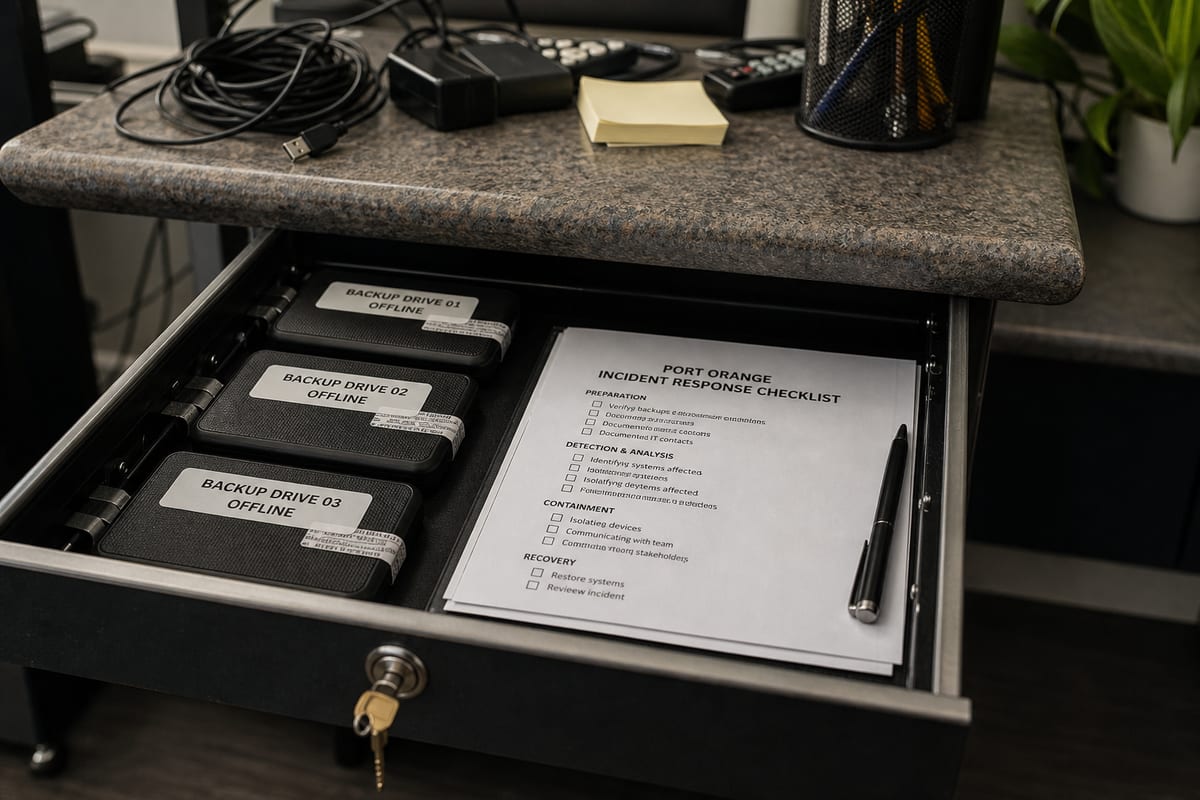
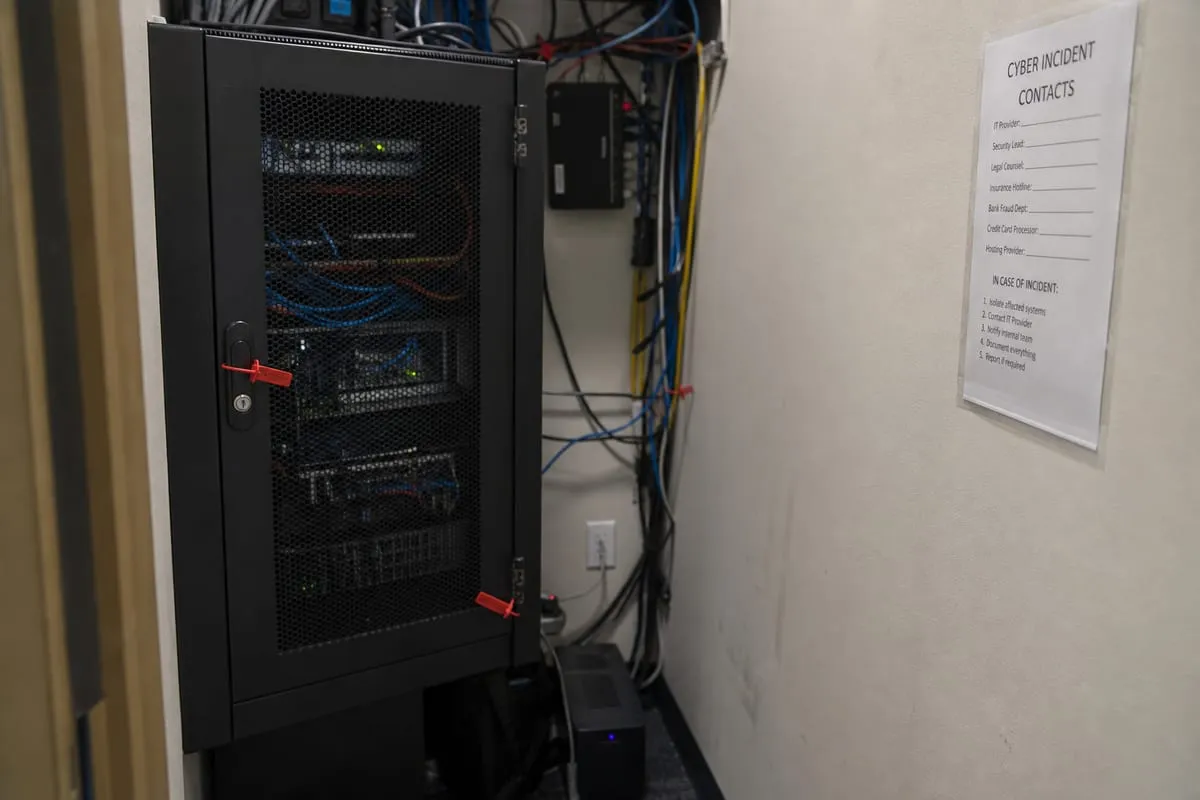
Even well-run businesses can experience incidents. That is why response planning matters. You should know who to call, what systems to isolate, how to communicate with staff, and how to restore operations.
For some organizations, security also overlaps with legal and contractual obligations. If your business handles regulated data, documented safeguards and reporting processes become even more important. In those cases, compliance support services can help align security practices with real-world requirements.
Port Orange businesses often need practical, not flashy, protection
A local medical office, professional firm, marine-related business, or retail operation near The Pavilion at Port Orange may have very different daily workflows, but they share one reality: downtime is expensive, trust is fragile, and technology problems rarely stay contained.
That is why the most useful cybersecurity services are tailored to the business itself. A small office may need stronger email security and account controls. A growing company may need documented processes, better device management, and closer monitoring. A regulated organization may need help proving that the right protections are in place, not just assuming they are.
The right plan depends on how you store data, how employees log in, what vendors connect to your systems, and how quickly you would need to recover after an incident.
Signs your current security setup may be too thin
You do not need a breach to know improvements are overdue. Watch for these warning signs:
- No one is clearly responsible for security oversight
- Staff use personal devices with little or no control
- Shared logins are common
- Backups exist, but no one has tested restoration recently
- Employees are unsure how to report suspicious activity
- Security tools send alerts, but nobody reviews them consistently
- Former staff accounts are removed manually, when someone remembers
- Vendor access has accumulated over time without review
When several of these are true at once, the issue is usually not one bad tool. It is the absence of a coordinated process.
Security and compliance often meet in the same place
For many businesses, cybersecurity is not only about avoiding disruption. It is also about meeting customer expectations, insurance requirements, and industry obligations.
You may be asked to show how access is controlled, how sensitive data is protected, or how incidents are documented. That is where security becomes part of a broader business discipline. If you are preparing for audits, questionnaires, or regulatory expectations, security and compliance planning can help connect technical safeguards to the documentation behind them.
The goal is resilience, not perfection
No provider can promise that nothing bad will ever happen. That is not how cybersecurity works. What good cybersecurity services can do is reduce avoidable risk, improve visibility, and make your business far more prepared to detect, contain, and recover from problems.
That matters because the businesses that recover best are usually not the ones with the biggest budgets. They are the ones with clearer processes, better habits, and support that fits the way they actually operate.
If your current setup feels pieced together, you are not alone. Many businesses in Port Orange reach a point where informal security habits are no longer enough. Taking a closer look now is far easier than trying to rebuild after an avoidable incident.
A stronger security posture starts with understanding your real risks, not chasing buzzwords. If you want a practical plan that fits your business, contact us today for expert cybersecurity services.