
Why Cybersecurity Matters More Than Ever for Businesses in Port Orange
Learn how businesses in Port Orange can strengthen security, reduce risk, and respond to modern cyber threats with practical support.
Published on · How this article was made
For many businesses, cybersecurity feels like something to think about after a problem appears. A suspicious email gets clicked, a laptop goes missing, or a system suddenly locks up, and only then does security become urgent. The challenge is that modern threats rarely wait for a convenient time.
Businesses in Port Orange rely on connected systems every day, from email and file sharing to payment tools, cloud apps, vendor portals, and remote access. That convenience helps teams move faster, but it also creates more opportunities for mistakes, weak points, and targeted attacks. Good cybersecurity is not just about blocking hackers. It is about protecting daily operations, customer trust, and the ability to keep working when something goes wrong.
The risks are not limited to large companies
A common misconception is that cybercriminals only go after major enterprises. In reality, smaller organizations are often attractive targets because they may have fewer safeguards, less staff training, and limited time to monitor systems closely. A local medical office, law firm, contractor, retailer, or professional services company can all be affected by the same types of threats.
In Port Orange, many businesses are growing, adding cloud platforms, and supporting mobile work. That growth is positive, but it can also lead to gaps, especially when technology changes faster than security practices. An old firewall, shared passwords, unmanaged devices, or unclear access rules can create unnecessary exposure.
Where cybersecurity services make the biggest difference
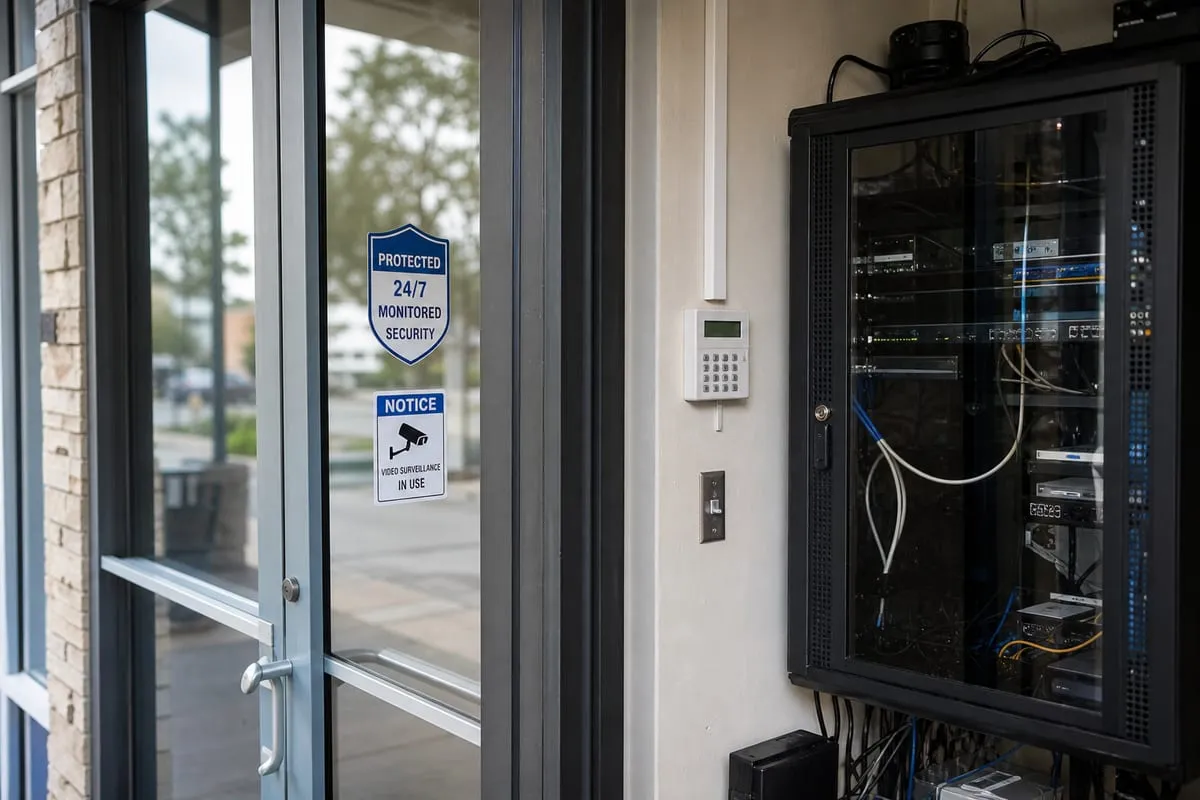
Effective cybersecurity services should help a business reduce risk in practical, day-to-day ways. That usually starts with understanding what needs protection most, such as customer data, financial records, email accounts, cloud files, line-of-business applications, and employee devices.
A thoughtful security approach often includes:
- Risk assessments to identify weak points before they become incidents
- Email protection to reduce phishing, malware, and account compromise
- Multi-factor authentication for critical systems and remote access
- Endpoint security for desktops, laptops, and mobile devices
- Patch management to keep software and operating systems current
- Backup planning in case ransomware, deletion, or hardware failure occurs
- Security awareness training so employees can recognize warning signs
- Access controls that limit who can view or change sensitive information
- Incident response planning for faster action during a security event
These are not one-size-fits-all tools. A small office with a few employees will have different needs than a multi-location company with compliance obligations and remote workers.
Everyday threats that deserve attention
Most cyber incidents do not begin with a dramatic movie-style breach. They often start with ordinary situations that seem harmless at first.
Phishing emails remain one of the most common problems. A message may look like it came from Microsoft 365, a bank, a shipping company, or even a coworker. One click can lead to stolen credentials, malware, or fraudulent payments.
Weak password habits are another frequent issue. Reused passwords, shared logins, and accounts without multi-factor authentication make it easier for attackers to move from one system to another.
Unpatched systems also create risk. If a computer, firewall, router, or application has known vulnerabilities and updates are delayed, attackers may not need much effort to exploit them.
Remote and hybrid work add another layer. Employees may use home networks, personal devices, or public Wi-Fi without realizing how those choices affect business security.
Security is also an operations issue
Cybersecurity is often treated as a technical topic, but it is just as much an operations issue. If your team cannot access email, files, scheduling systems, or customer records, productivity stops. If a payment process is interrupted, revenue is affected. If sensitive data is exposed, reputation and client confidence can suffer long after the technical issue is fixed.
That is why many businesses benefit from tying security efforts to broader support processes like IT Support Services. Technology problems rarely stay in one lane. A secure environment is easier to maintain when user support, device management, updates, and response procedures are aligned.
Local context matters in Port Orange
Businesses in Port Orange often operate in a mix of office, retail, healthcare, field service, and professional environments. Some have seasonal fluctuations, some depend heavily on fast customer communication, and others manage regulated or confidential information. Those differences matter when building a security plan.
For example, a practice handling protected records may need stronger policy controls and documentation. A construction or service business with employees in the field may need secure mobile access and device management. A company using cloud email and collaboration tools may need stronger configuration and account protections through Microsoft 365 security support.
The point is not to buy every available security product. It is to match protections to the way your business actually works.
Compliance and cybersecurity often overlap
For some organizations, security is not only about best practices. It is also tied to legal, contractual, or industry requirements. Depending on your field, you may need documented controls, user access policies, audit readiness, or data handling procedures.
This is where compliance support services can help connect technical safeguards with the policies and records your organization may need to maintain. Security tools are important, but documentation, accountability, and repeatable processes matter too.
Choosing the right cybersecurity partner
Not every provider approaches cybersecurity the same way. Some focus only on tools. Others take time to understand your workflows, risk tolerance, and operational priorities.
When evaluating a cybersecurity partner, ask questions like:
- Will they assess your current environment before recommending changes?
- Do they help with employee training, or only technical controls?
- Can they support cloud systems, mobile devices, and remote access?
- How do they handle incident response and recovery planning?
- Will they explain risks in plain language your team can act on?
- Can they help align security with compliance support services, if needed?
A good partner should make security feel clearer, not more confusing. You should come away with a better understanding of your risks, your priorities, and the steps that will make the biggest difference.
Small improvements can meaningfully reduce risk
Many businesses assume cybersecurity requires a complete overhaul. Sometimes that is true, but often the first gains come from a handful of practical improvements.
Turning on multi-factor authentication, reviewing admin accounts, updating backup procedures, removing unused logins, training staff on phishing, and applying missing patches can significantly improve your security posture. These are not flashy changes, but they are often the ones that reduce common risks fastest.
The goal is progress, not perfection. Strong cybersecurity is built over time through better visibility, smarter habits, and consistent follow-through.
FAQ
What are the most important cybersecurity services for a small business?
The most important services usually include risk assessment, endpoint protection, email security, multi-factor authentication, backup planning, patch management, and employee security awareness training. The right mix depends on how your business stores data and how your team works.
How often should a business review its cybersecurity setup?
At a minimum, review it annually and any time you make major technology changes, add new software, expand remote work, or face a security incident. Security should also be revisited when compliance requirements change.
Can cybersecurity services help prevent ransomware?
No service can promise complete prevention, but layered protections can greatly reduce the chance and impact of ransomware. Strong backups, endpoint protection, patching, access controls, and employee training all play an important role.
Is employee training really necessary?
Yes. Many incidents begin with human error, especially phishing clicks, weak passwords, or accidental data sharing. Training helps employees recognize suspicious activity and respond more safely.
Cybersecurity works best when it supports the way your business operates, not when it becomes a separate project that only gets attention during a crisis. The right approach helps protect your systems, your data, and your ability to serve customers without unnecessary disruption.
If your business in Port Orange is unsure where the biggest risks are, a practical review can bring clarity. Small, well-planned improvements often go much further than reactive fixes after a problem appears.
Contact us today for expert cybersecurity services!