
Inside Cybersecurity for Small Businesses in Daytona Beach
Learn how small businesses in Daytona Beach can strengthen cybersecurity with practical protections, local insight, and smarter planning.
Published on · Craig Wheeler · How this article was made
For many small businesses, cybersecurity feels like something you deal with after you grow larger, hire an internal IT team, or suffer a scary incident. In reality, smaller companies are often more exposed because they rely on lean staff, shared logins, aging devices, and a patchwork of software that grew over time.
That is especially true in Daytona Beach, where many businesses balance front-office operations with customer-facing service, seasonal demand, and distributed teams. A law office near downtown, a medical practice serving year-round residents, or a hospitality business near the Daytona International Speedway all handle sensitive data that criminals would gladly exploit.
Good cybersecurity is not about buying the most expensive tools. It is about reducing risk in the places where small businesses actually get hurt, email, passwords, devices, backups, employee habits, and vendor access.
Why smaller companies are often easier targets
Attackers usually do not need a dramatic Hollywood-style breach. They look for ordinary weaknesses, then move quickly. In a small business, those weaknesses often include:
- Reused or weak passwords
- No multi-factor authentication on email and cloud apps
- Employees clicking convincing phishing messages
- Unpatched computers, firewalls, or Wi-Fi equipment
- No clear backup and recovery process
- Too many people with admin access
- Former employees still able to sign in
- Vendors connected to systems without proper oversight
Most incidents start with convenience. Someone shares a password to keep work moving. A laptop misses updates because it is rarely in the office. A fake invoice email looks close enough to real that a busy employee opens it without thinking.
Cybersecurity services help close those gaps before they become expensive disruptions.
The risks look different when you know the local business mix
Daytona Beach has a business community that is more varied than people sometimes assume. Tourism and hospitality are obvious, but the area also includes healthcare providers, professional services, retail, automotive businesses tied to racing culture, and companies supporting events at places like the Ocean Center. That mix matters because each industry creates different exposure.
A hotel or restaurant may process large volumes of card payments and manage frequent staff turnover. A medical office has privacy obligations and highly sensitive records. A professional services firm may store contracts, tax documents, or client financial data in cloud platforms that were never fully secured.
This is why a one-size-fits-all checklist rarely works. The right protection depends on how your team works, what data you hold, and which systems would cause the most damage if they went down.
What useful cybersecurity services should actually include
If you are evaluating support, focus less on buzzwords and more on whether the service addresses real business risk.
Start with visibility
You cannot protect what you do not know you have. A good provider should help you identify:
- User accounts and privilege levels
- Workstations, laptops, and mobile devices
- Email and cloud platforms
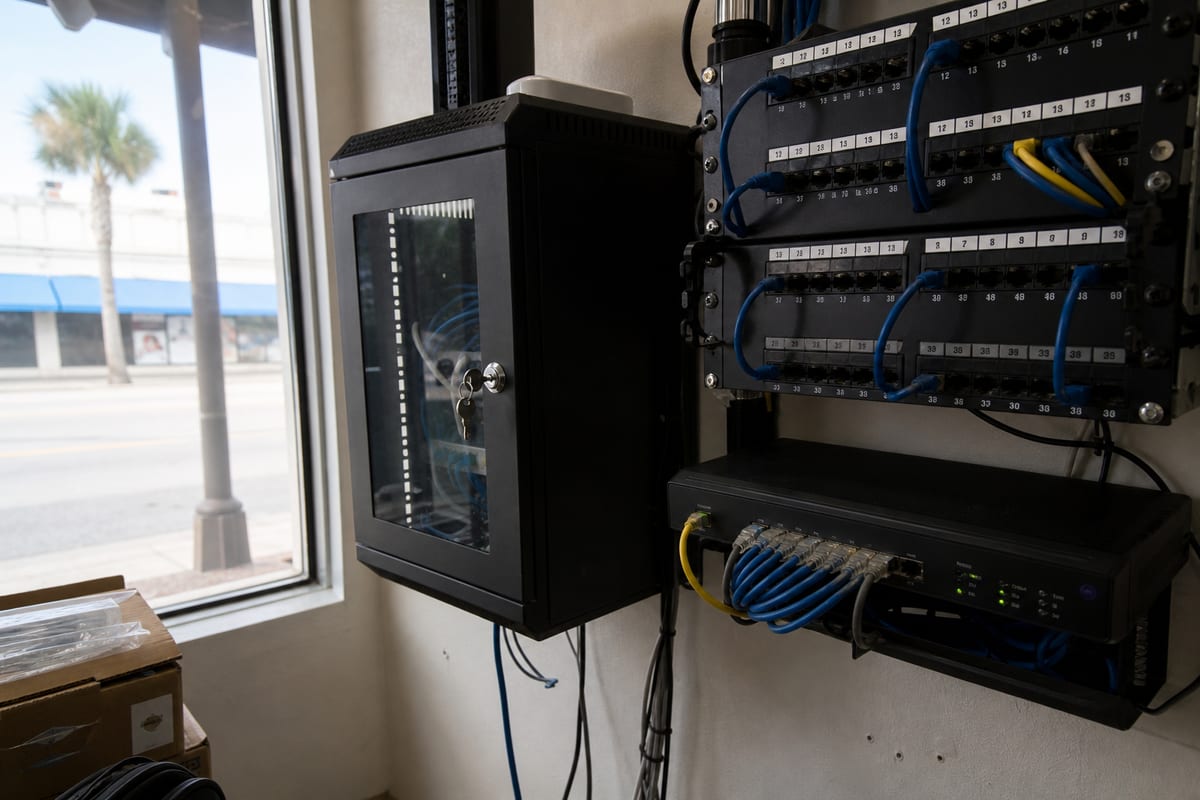
- Network equipment and Wi-Fi setup
- Backup systems
- Line-of-business applications
- Third-party access points
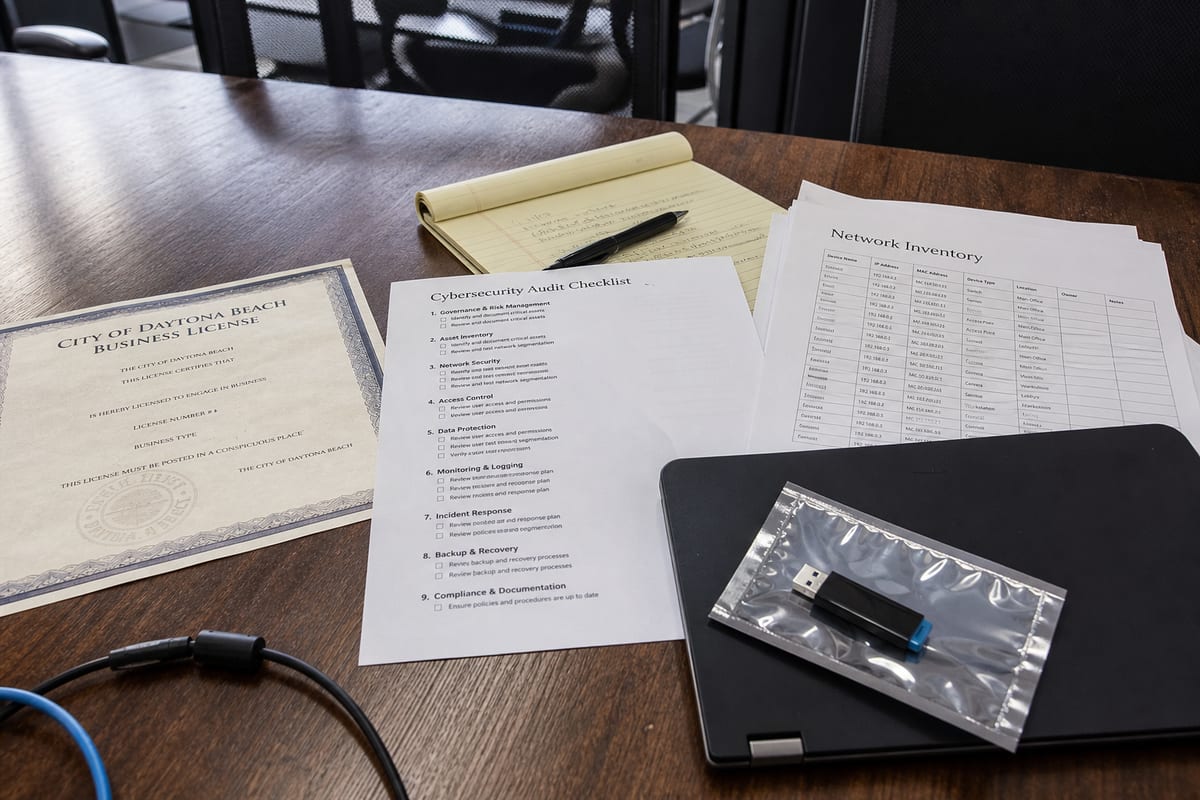
A formal cybersecurity risk assessment can uncover overlooked gaps, especially in businesses that added software and devices gradually over the years.
Email protection deserves priority
For many small businesses, email is still the biggest risk surface. It is where phishing starts, where invoice fraud happens, and where account takeovers often begin.
Strong email security usually includes spam filtering, malicious link detection, suspicious login monitoring, multi-factor authentication, and staff training. If your team uses Microsoft 365 or Google Workspace, secure configuration matters just as much as the platform itself.
Endpoint security is not optional anymore
Every laptop, desktop, and mobile device that touches company data needs protection. Antivirus alone is not enough for modern threats. Businesses should think in terms of endpoint detection, patch management, encryption, and the ability to isolate a compromised device quickly.
This is especially important when employees work from home, travel, or connect from multiple locations.
Backups are part of cybersecurity
Many owners think of backups as an IT issue rather than a security issue. That distinction breaks down fast during ransomware, accidental deletion, or cloud account compromise.
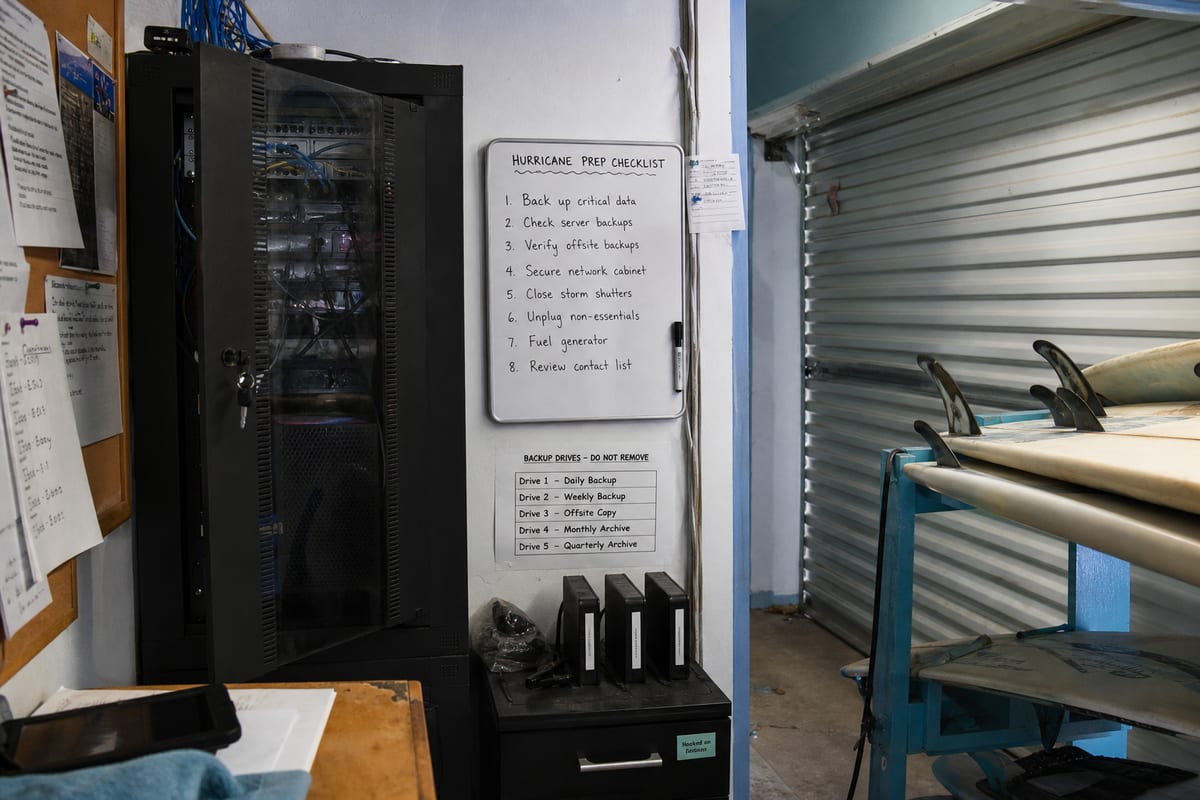
A strong backup plan should answer simple questions clearly: what is backed up, how often, where it is stored, how quickly it can be restored, and whether recovery has been tested. Our backup and disaster recovery services are designed to help businesses recover without guesswork.
People are part of the security stack
Small businesses rarely get breached because employees are careless people. More often, they are busy people. They are answering customers, processing payments, juggling vendors, and trying to keep the day moving.
That is why security awareness has to be practical. Training should teach employees how to spot fake login pages, suspicious attachments, urgent payment requests, and messages that try to bypass normal process. It should also make reporting easy, because hesitation can turn a small issue into a major one.
A healthy security culture does not punish honest mistakes. It encourages fast reporting, clear procedures, and regular reminders that fit the way your team actually works.
Compliance matters, but operations matter too
Some Daytona Beach businesses need cybersecurity support because of insurance requirements, client contracts, or industry rules. Others simply need to avoid downtime, fraud, and reputation damage. In practice, these goals overlap.
A small healthcare office may need stronger access controls and audit trails. A business handling payment cards may need tighter network segmentation and device management. A professional firm may need better document security and retention controls. Even if you are not in a heavily regulated field, basic governance still matters.
That is where planning becomes valuable. A short security strategy call can help clarify which risks need immediate attention and which improvements can be phased in over time.
Signs your business may already have security gaps
You do not need to wait for a breach to know something is off. Watch for warning signs like:
- Shared logins for important systems
- Employees using personal devices without safeguards
- No one knows whether backups have been tested
- Old computers cannot reliably receive updates
- Former staff accounts still exist
- Wi-Fi for guests and staff is not separated
- Sensitive files are stored in ad hoc folders with broad access
- Security tools are installed, but no one reviews alerts
Any one of these may be manageable. Several together usually indicate a larger problem, lack of a clear security process.
Choosing a provider without getting lost in jargon
The best cybersecurity partner for a small business is not the one with the longest list of acronyms. It is the one that can explain risk in plain language, prioritize what matters, and support your team consistently.
When comparing providers, ask:
- Will you assess our current environment before recommending solutions?
- How do you protect email, endpoints, and user access?
- What is your approach to backups and recovery testing?
- How do you handle employee onboarding and offboarding?
- What happens if we suspect an incident?
- How do you help us improve over time, not just install tools once?
Clear answers usually signal a mature process. Vague promises usually do not.
FAQ
Do small businesses in Daytona Beach really need dedicated cybersecurity services?
Yes. Small businesses are common targets because they often have valuable data but fewer internal controls. Even a simple email compromise can interrupt operations, affect customers, and create financial loss.
What is the most important first step?
Start by understanding your current risk. That usually means reviewing accounts, devices, email security, backups, and access permissions. Once you know the gaps, you can prioritize improvements instead of guessing.
Is antivirus enough for a small company?
No. Antivirus is only one layer. Most businesses also need multi-factor authentication, patching, backup protection, email security, user training, and monitoring.
How often should backups be tested?
Regularly enough that you trust the recovery process before an emergency. The right schedule depends on how often your data changes and how much downtime your business can tolerate, but testing should never be a one-time event.
Can cybersecurity services help with employee mistakes?
Yes. Good services reduce the chance of mistakes causing damage through training, access controls, safer defaults, and faster response when something looks wrong.
Cybersecurity for a small business is not about fear. It is about building a stable, workable environment where one bad click, one lost device, or one weak password does not put the whole company at risk.
If your systems have grown quickly, if responsibilities are spread across a small team, or if you are unsure whether your current protections are enough, this is the right time to take a closer look. Small improvements in the right places can make a meaningful difference.
Contact us today for expert cybersecurity services for small business services!