
Stronger Cybersecurity for Daytona Beach Businesses That Need Real-World Protection
Learn how a cybersecurity company in Daytona Beach helps local businesses reduce risk, strengthen defenses, and respond with confidence.
Published on · Craig Wheeler · How this article was made

Cybersecurity is easy to ignore when everything seems to be working. Email is flowing, staff can log in, customers are being served, and the day moves along. Then one suspicious attachment gets opened, one password gets reused, or one vendor account gets compromised, and suddenly the issue is not theoretical anymore.
For businesses in Daytona Beach, cybersecurity is not just about installing antivirus and hoping for the best. It is about protecting operations, customer trust, financial data, and the systems your team depends on every day. Whether you run a medical office, a professional services firm, a retail operation near International Speedway Boulevard, or a hospitality business serving visitors around the Daytona International Speedway area, your risks are real and your defenses need to match them.
Why local businesses need more than basic security tools
Many companies already have some security in place. They may use firewalls, endpoint protection, spam filters, and multifactor authentication. Those are important steps, but tools alone do not create a complete security posture.
A capable cybersecurity company helps you answer practical questions:
- Where are your biggest risks right now?
- Which systems would cause the most disruption if they went down?
- Are employees following secure habits, or just assuming the technology will catch mistakes?
- Do you know how to detect unusual activity before it becomes a major incident?
- If ransomware or account compromise happens tomorrow, who is responsible for what?
Those questions matter because most security problems are not caused by one dramatic failure. They come from small gaps that build up over time, such as outdated software, weak access controls, unclear user permissions, missing backups, or poor visibility into network activity.
Daytona Beach has its own business risk profile
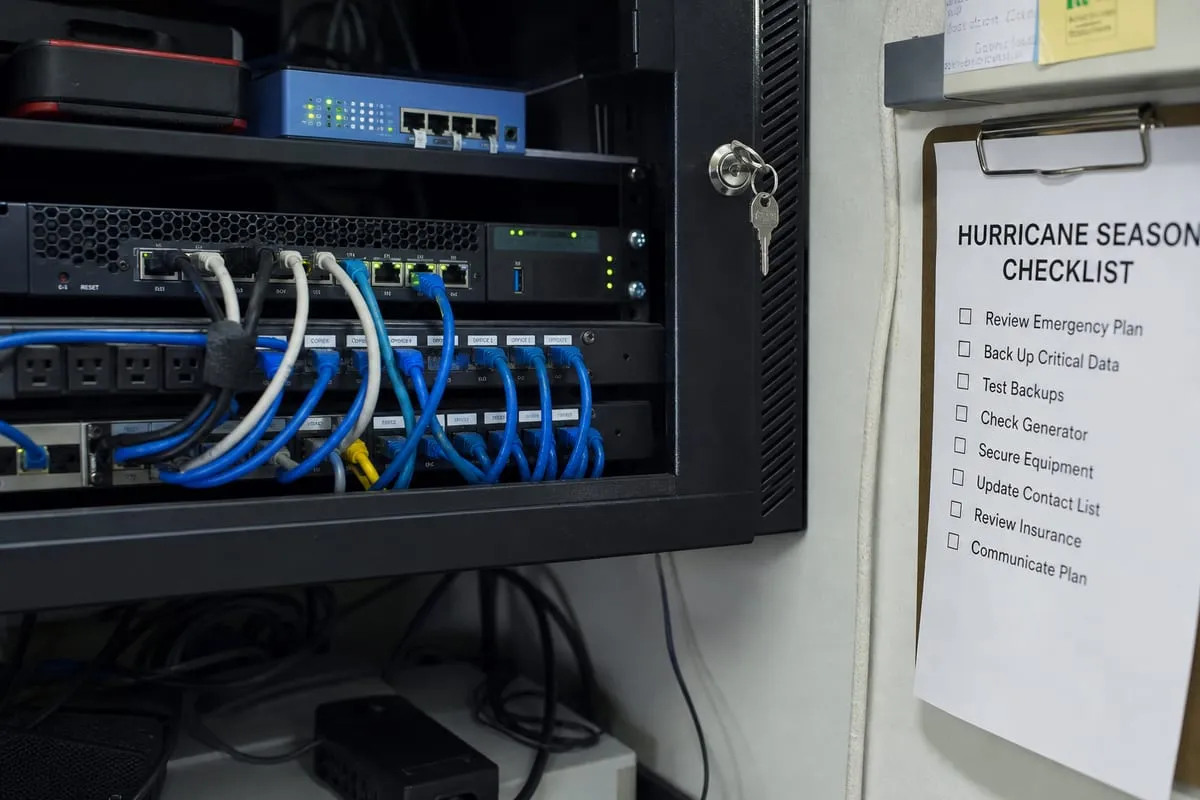
Every city has a different mix of industries, workflows, and technology dependence. Daytona Beach stands out because of its blend of tourism, healthcare, professional services, education, and automotive activity tied to major events and year-round commerce. Businesses connected to visitor traffic often handle high volumes of transactions and customer data, while medical and office-based organizations need secure access to records, email, and cloud platforms without slowing down staff.
There is also a practical local reality here. Organizations in Daytona Beach often rely on a mix of older line-of-business systems and newer cloud tools, especially in long-established businesses that have grown gradually over time. That creates complexity. One department may be using modern identity controls, while another still depends on legacy access methods or shared accounts. Attackers do not care where the weakness sits, they just need one opening.
What a cybersecurity company should actually help you do
The right partner should make your environment safer and easier to manage, not more confusing. That usually starts with understanding how your business works, then building protections around the systems and processes that matter most.
A strong cybersecurity approach often includes:
- Risk assessments that identify real exposure, not just checklist items
- Endpoint protection and monitoring across laptops, desktops, and servers
- Email security to reduce phishing, spoofing, and malicious attachments
- Access controls, including multifactor authentication and least-privilege policies
- Patch and vulnerability management to close known gaps quickly
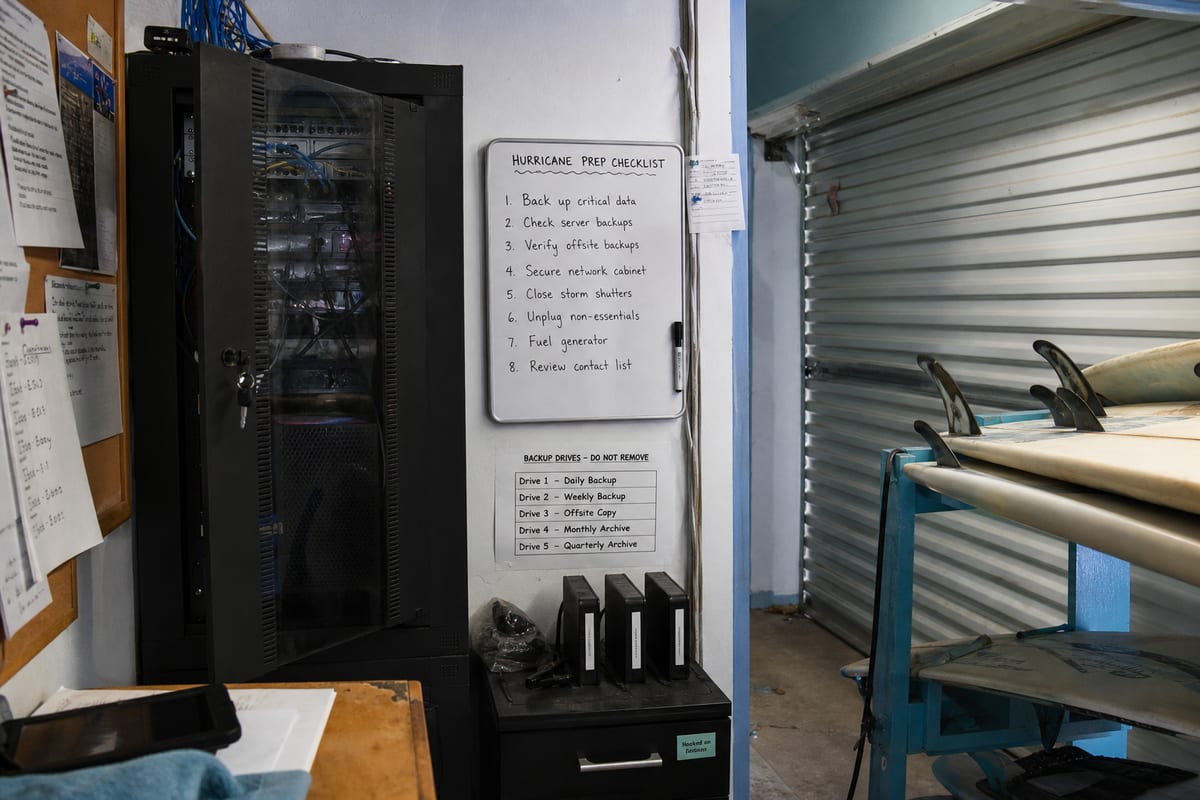
- Backup validation and recovery planning
- Security awareness training for employees
- Incident response planning so your team knows what to do under pressure
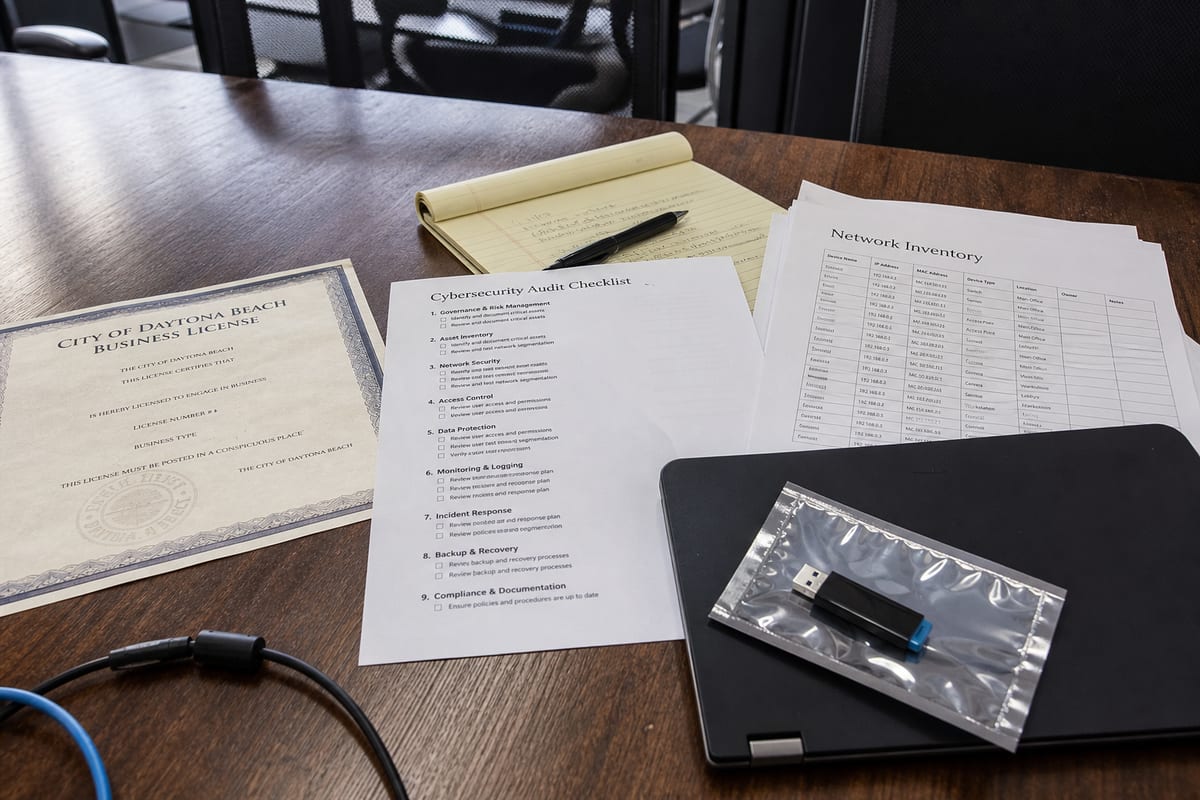
If you are not sure where to begin, a structured cybersecurity risk assessment can help reveal blind spots and prioritize the fixes that will make the biggest difference.
Prevention matters, but response readiness matters too
Many business owners think cybersecurity success means preventing every incident. In reality, mature security means reducing the chance of an attack, limiting the damage if one gets through, and recovering without chaos.
That is why response planning is so important. If a staff member reports a suspicious login alert, if a shared folder suddenly becomes inaccessible, or if a vendor email thread starts asking for unusual payment changes, your team should not be improvising in the moment.
A good cybersecurity company helps define:
- Who needs to be notified first
- How compromised devices should be isolated
- Which systems are most critical to restore
- When outside support should step in
- How evidence should be preserved
- What communication is appropriate for staff, customers, and vendors
Those details can save hours during an incident, and hours matter.
The human side of cybersecurity is often the deciding factor
Technology catches a lot, but people still play a major role in both risk and resilience. Employees are busy. They move fast, trust familiar names, and juggle passwords, messages, and deadlines all day. That is normal, not careless. Security has to account for real human behavior.
The best cybersecurity programs make secure habits easier to follow. That can mean clearer login policies, better password management, simpler approval workflows, and training that reflects the scams people are actually seeing. It also means creating a workplace where employees feel comfortable reporting mistakes early, instead of hiding them out of embarrassment.
A team that reports a suspicious click within minutes gives your business a far better chance of containing the problem.
Choosing a partner without getting lost in jargon
Not every provider approaches cybersecurity the same way. Some focus mostly on compliance checklists. Others sell tools without offering much strategic guidance. The best fit is usually a company that can explain risk in plain language, align recommendations with your operations, and support both day-to-day protection and long-term planning.
When evaluating options, ask questions like:
- How do you assess our current risk level?
- What kinds of threats do you see most often for businesses like ours?
- How do you handle monitoring, escalation, and incident response?
- Will you help us prioritize improvements based on business impact?
- How do you support employee training and policy development?
- What does ongoing communication look like?
If a provider cannot explain their approach clearly, it becomes harder to trust them during a real incident.
For businesses that want to talk through priorities before committing to a larger project, a security strategy call can be a practical next step.
Security investments should support the business, not slow it down
One common concern is that stronger cybersecurity will make work harder. Sometimes that happens when security is added without understanding the workflow. But done well, security should support productivity by reducing avoidable disruptions, improving visibility, and making systems more dependable.
For example, better identity controls can reduce account issues. Consistent patching can lower the chances of emergency downtime. Smarter monitoring can surface unusual behavior before it spreads. Clear response plans can keep a bad day from becoming a business crisis.
That is the real value. Good cybersecurity does not just block threats. It helps your business operate with more confidence.
FAQ
How do I know if my business needs a cybersecurity company?
If you use email, cloud software, business devices, customer data, payment systems, or shared files, you already have cybersecurity risk. A professional review is especially useful if you have grown quickly, rely on remote access, or are unsure whether your current protections are being actively managed.
Is cybersecurity only necessary for larger companies?
No. Smaller organizations are often targeted because they may have weaker controls, fewer internal resources, and less formal response planning. Attackers usually look for opportunities, not prestige.
What is the first step if I suspect suspicious activity?
Report it immediately, isolate the affected device if appropriate, and avoid deleting evidence or trying random fixes. Quick reporting gives your support team a better chance to investigate and contain the issue before it spreads.
How often should cybersecurity be reviewed?
At minimum, review it regularly and any time your business changes significantly, such as adding staff, moving systems to the cloud, opening a new location, or adopting new software. Security should evolve with the business.
Can a cybersecurity company help with employee training?
Yes. Training is one of the most practical ways to reduce everyday risk. Effective programs focus on phishing, password habits, account security, and how employees should report unusual activity.
Cybersecurity is not a one-time purchase. It is an ongoing business discipline that protects your operations, reputation, and ability to serve customers without unnecessary disruption.
If your current setup feels pieced together, outdated, or hard to evaluate, it may be time for a clearer plan. The right support can help you understand your risks, strengthen your defenses, and make smarter decisions without adding confusion.
Contact us today for expert cybersecurity company services!