
7 Practical Ways to Strengthen Cybersecurity for Businesses in Ormond Beach
Learn practical cybersecurity steps Ormond Beach businesses can take to reduce risk, protect data, and respond better to threats.
Published on · How this article was made
Cybersecurity can feel overwhelming, especially for small and midsize businesses that do not have a large internal IT team. In Ormond Beach, that challenge is often shaped by a mix of everyday realities, including remote access, cloud apps, seasonal staffing changes, and the need to keep operations moving without interruption.
The good news is that better security does not always start with expensive tools. It usually starts with a clearer understanding of where your business is most exposed, which habits create unnecessary risk, and which improvements will make the biggest difference first.
Why local businesses are frequent targets
Many business owners assume cybercriminals only go after large enterprises. In reality, smaller organizations are often attractive because they may have fewer security controls, less formal training, and limited time to monitor systems closely.
For businesses in Ormond Beach, common risks often include phishing emails, weak passwords, outdated devices, unsecured remote connections, and vendors with too much access. A single compromised account can disrupt billing, scheduling, customer communication, or access to shared files.
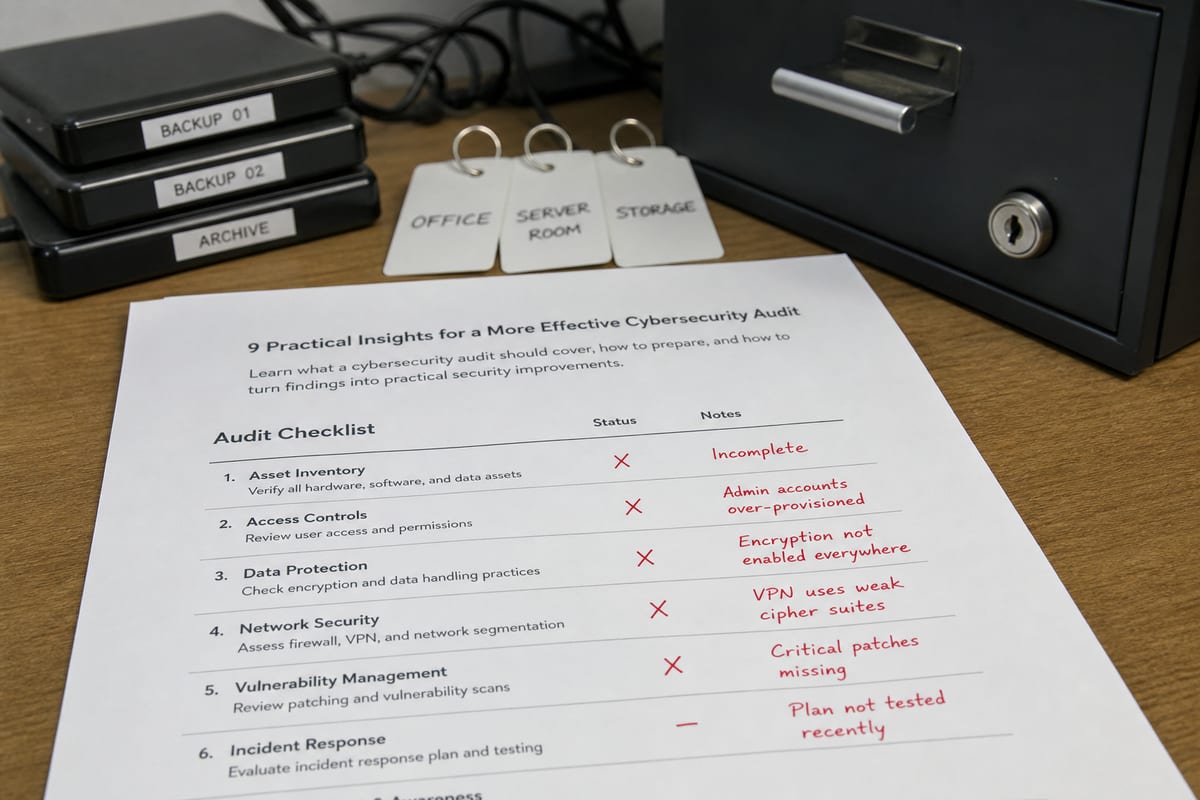
A useful first step is to review your current security posture with a cybersecurity risk assessment. That kind of review can help identify gaps before they turn into downtime, data loss, or expensive recovery work.
1. Start with the basics that prevent the most common attacks
A surprising number of incidents begin with simple weaknesses. Before investing in advanced tools, make sure your foundation is solid.
Focus on these essentials:
- Turn on multi-factor authentication for email, cloud apps, financial platforms, and remote access tools
- Require strong, unique passwords and use a password manager where appropriate
- Keep operating systems, browsers, firewalls, and business apps updated
- Remove old accounts for former employees and unused vendors
- Limit administrative privileges to only the people who truly need them
These steps are not flashy, but they block many of the attacks that affect growing businesses every day.
2. Train your team to spot suspicious activity
Technology matters, but people are often the first line of defense. Employees do not need to become security experts, but they should know how to recognize common warning signs.
Training should cover:
- Phishing emails that create urgency or ask for credentials
- Fake invoices or payment change requests
- Unexpected file sharing invitations
- Suspicious login prompts
- Text messages pretending to be executives, vendors, or banks
The goal is not fear. The goal is confidence. When employees know what to look for and where to report concerns, your business becomes much harder to exploit.
A smarter approach to access control
Not everyone in your company needs access to every system. One of the most effective ways to reduce damage from a compromised account is to limit access based on role.
For example, accounting staff may need access to financial systems but not network administration tools. Front desk employees may need scheduling software but not sensitive HR files. This is called least privilege, and it can significantly reduce the spread of an attack.
It is also worth reviewing shared accounts. If several people log in with the same credentials, it becomes much harder to track activity and respond quickly when something goes wrong.
3. Protect remote work and mobile devices
Even businesses with a physical office often rely on laptops, phones, tablets, and cloud platforms. That flexibility is useful, but it also expands your risk.
To improve protection for remote and mobile work:
- Require device passcodes and screen lock settings
- Encrypt laptops and mobile devices that access company data
- Use secure Wi-Fi practices and avoid sensitive work on public networks without protection
- Separate personal and business use where possible
- Make sure lost or stolen devices can be remotely locked or wiped
If your team works from home, from the road, or between multiple locations, your security plan should reflect that reality.
4. Backups are part of cybersecurity, not just disaster recovery
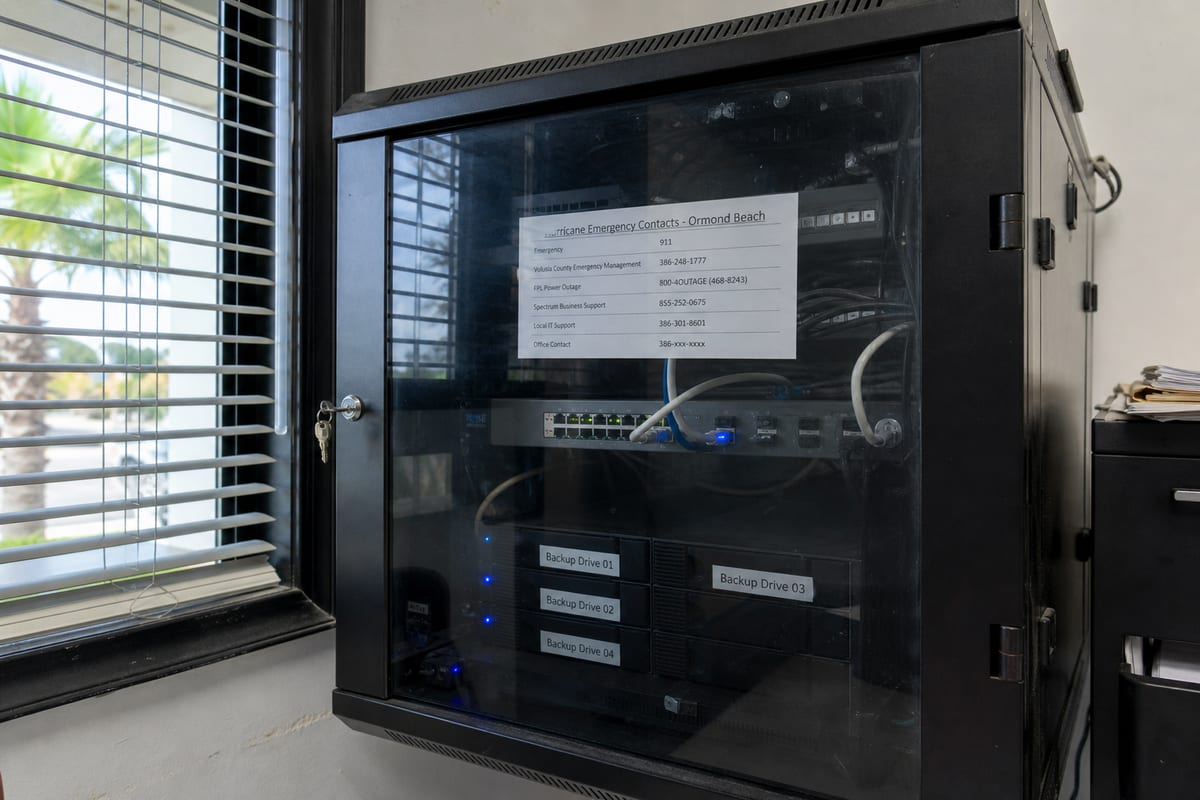
Many companies think about backups only after something breaks. In practice, reliable backups are a core defense against ransomware, accidental deletion, and hardware failure.
Good backups should be tested, protected, and easy to restore. They should also be separated enough from daily systems that a widespread attack cannot easily encrypt everything at once.
If you are unsure whether your current setup would hold up during an incident, a focused review can help clarify priorities. Many businesses start by scheduling a security strategy call to talk through risks, recovery expectations, and practical next steps.
5. Watch for vendor and third-party risk
Your business may be careful, but vendors can still introduce exposure. Payment processors, software providers, consultants, and outsourced partners often connect to your systems or handle sensitive information.
Ask a few direct questions:
- What data do they access?
- How is that access protected?
- Do they use multi-factor authentication?
- Do they notify you if they experience a breach?
- Is their access still necessary?
Third-party risk is easy to overlook because it sits outside your day-to-day operations, but it can have a direct impact on your business.
Security planning matters more than panic buying tools
When business owners realize they have security gaps, the first instinct is often to buy software quickly. Tools can help, but they work best when they support a clear plan.
That plan should define what you are protecting, who has access, how incidents are reported, what needs to be backed up, and which systems are most critical to keep running. Without that structure, even good tools can be underused or misconfigured.
For some organizations, the next right step is a deeper security assessment to prioritize improvements based on real business risk instead of guesswork.
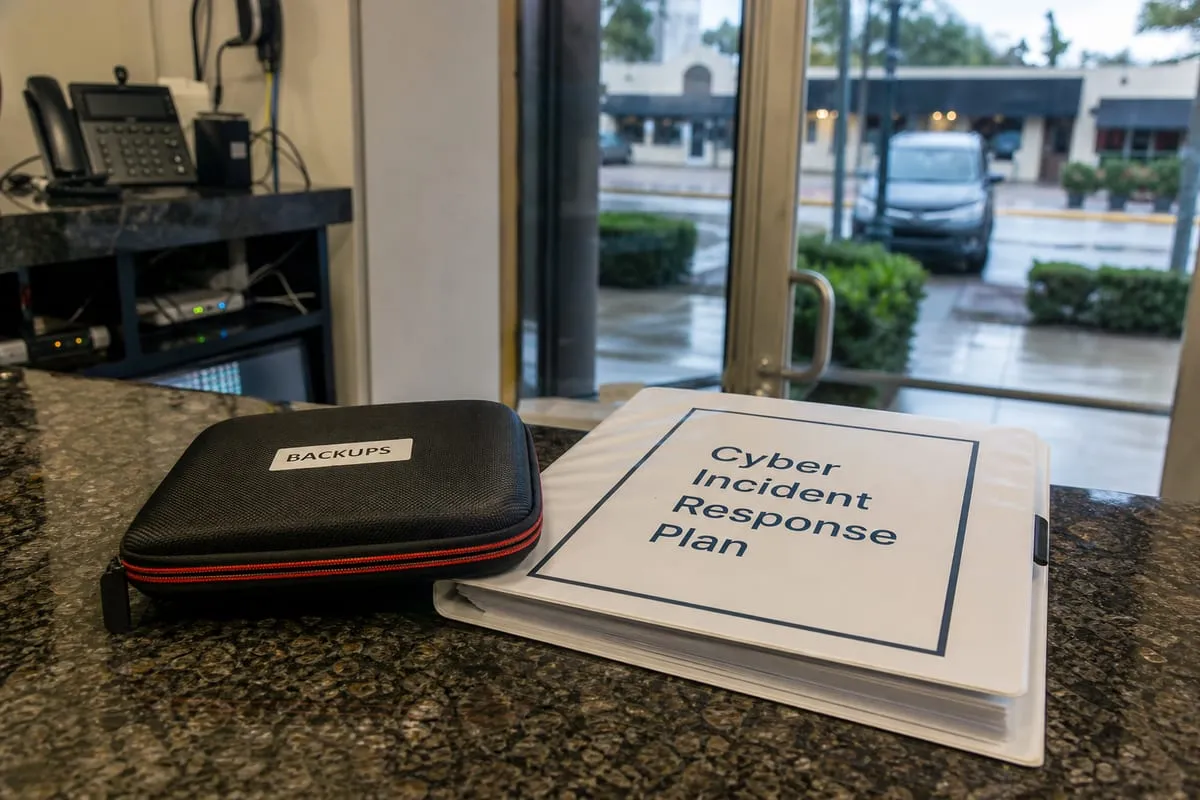
6. Build an incident response process before you need it
If a suspicious login, malware infection, or account takeover happens tomorrow, would your team know what to do first?
An incident response process does not have to be complicated, but it should answer a few essential questions:
- Who should employees contact if they see something suspicious?
- Who has authority to disable accounts or devices?
- How will you communicate if email is unavailable?
- Which vendors or partners need to be notified?
- What systems need to be restored first?
A calm, documented process can save valuable time during a stressful event.
7. Review your environment regularly
Cybersecurity is not a one-time project. Employees change roles, software gets added, devices age, and new threats appear. A process that worked a year ago may not reflect how your business operates today.
Regular reviews help you catch issues early, especially after major changes like office moves, new vendors, mergers, staffing shifts, or cloud migrations. For businesses in Ormond Beach, that kind of routine attention is often what separates manageable risk from major disruption.
FAQ
How often should a business review its cybersecurity?
At minimum, review your environment annually and any time there is a major change in staff, systems, vendors, or office setup. Higher-risk businesses may need more frequent reviews.
Is multi-factor authentication really necessary for small businesses?
Yes. It is one of the simplest and most effective ways to reduce account compromise, especially for email, cloud platforms, and remote access.
What is the biggest cybersecurity mistake small businesses make?
A common mistake is assuming they are too small to be targeted. Another is relying on basic antivirus alone without addressing passwords, access control, backups, and employee awareness.
Can cybersecurity help with compliance requirements?
In many cases, yes. Strong security practices often support compliance efforts by improving access control, documentation, data protection, and incident readiness.
Cybersecurity does not have to begin with fear or complexity. It begins with understanding your risks, tightening the basics, and making steady improvements that fit the way your business actually works.
If your company in Ormond Beach is unsure where the biggest gaps are, now is a good time to take a closer look. The right strategy can help you reduce risk without slowing down your team.
Contact us today for expert cybersecurity services!