
Stronger Cybersecurity for Small Businesses in Daytona Beach Starts With a Clear Audit
Learn what a small business cybersecurity audit should cover in Daytona Beach, and how it helps reduce risk without disrupting daily work.
Published on · Craig Wheeler

For many small businesses, cybersecurity feels abstract right up until something goes wrong. A suspicious login, a fake invoice email, a locked account, or a vendor portal breach can turn a normal workday into a scramble.
A cybersecurity audit helps bring that risk into focus. Instead of guessing whether your business is protected, you get a practical view of where you are exposed, what is working, and what needs attention first. For companies in Daytona Beach, that matters across a wide mix of organizations, from hospitality businesses near the beachfront to medical, legal, retail, and professional offices serving year round local demand.
If you are evaluating a cybersecurity audit, the goal should not be to create more paperwork. It should be to make smarter decisions, reduce avoidable risk, and give your team clearer security habits.
Why a small business audit matters more than most owners expect
Small businesses often assume attackers are only chasing large enterprises. In reality, smaller organizations are frequently targeted because they tend to have fewer internal controls, less formal training, and older systems that have not been reviewed in years.
An audit helps answer questions that are easy to overlook during day to day operations:
- Who has access to sensitive systems and data
- Whether former employees still have active accounts
- Which devices are missing updates or security tools
- Whether backups are protected and recoverable
- How well email, passwords, and multi-factor authentication are set up
- Whether vendors or third-party apps introduce unnecessary risk
This kind of review is especially useful when your business has grown quickly, added remote work, moved systems to the cloud, or simply has not had a structured security review before.
The local angle that actually matters in Daytona Beach
Daytona Beach has a business environment that is more varied than many people realize. Alongside tourism and hospitality, the area includes healthcare practices, law firms, contractors, retail operations, and businesses tied to events around the Speedway and the beachside corridor. That mix creates a wide range of cybersecurity needs.
For example, a hotel or restaurant may be especially concerned with payment systems, guest Wi-Fi separation, and staff turnover. A medical office may need tighter access controls and stronger documentation. A professional services firm may be more focused on email compromise, file sharing, and protecting client records. A useful audit accounts for how your business actually operates, not just a generic checklist.
What a good cybersecurity audit should include
A strong audit should be practical, not theatrical. You do not need a stack of jargon. You need a clear assessment of your environment and next steps you can act on.
Access and identity review
This part looks at who can get into what, and whether that access still makes sense. It typically includes user accounts, admin privileges, password policies, multi-factor authentication, and sign-in practices for Microsoft 365, email, line of business apps, and remote access tools.
One of the most common problems in small businesses is over-permissioned access. Employees often keep rights they no longer need, and shared accounts sometimes remain in use long after they should have been retired.
Device and endpoint security
Every laptop, desktop, mobile device, and server can become an entry point if it is unprotected or outdated. An audit should review operating system patching, antivirus or endpoint detection tools, encryption, local administrator settings, and whether unmanaged devices are connecting to business resources.
This is also where unsupported hardware or software often shows up. Many businesses discover they are relying on one aging system that nobody has wanted to touch, even though it now represents a serious security gap.
Email and phishing exposure
Email remains one of the easiest ways for attackers to reach your staff. A review should assess spam filtering, impersonation protection, domain settings, user awareness, and how your team handles suspicious messages.
If your company processes invoices, wire requests, customer records, or vendor communications by email, this area deserves close attention.
Network and remote access controls
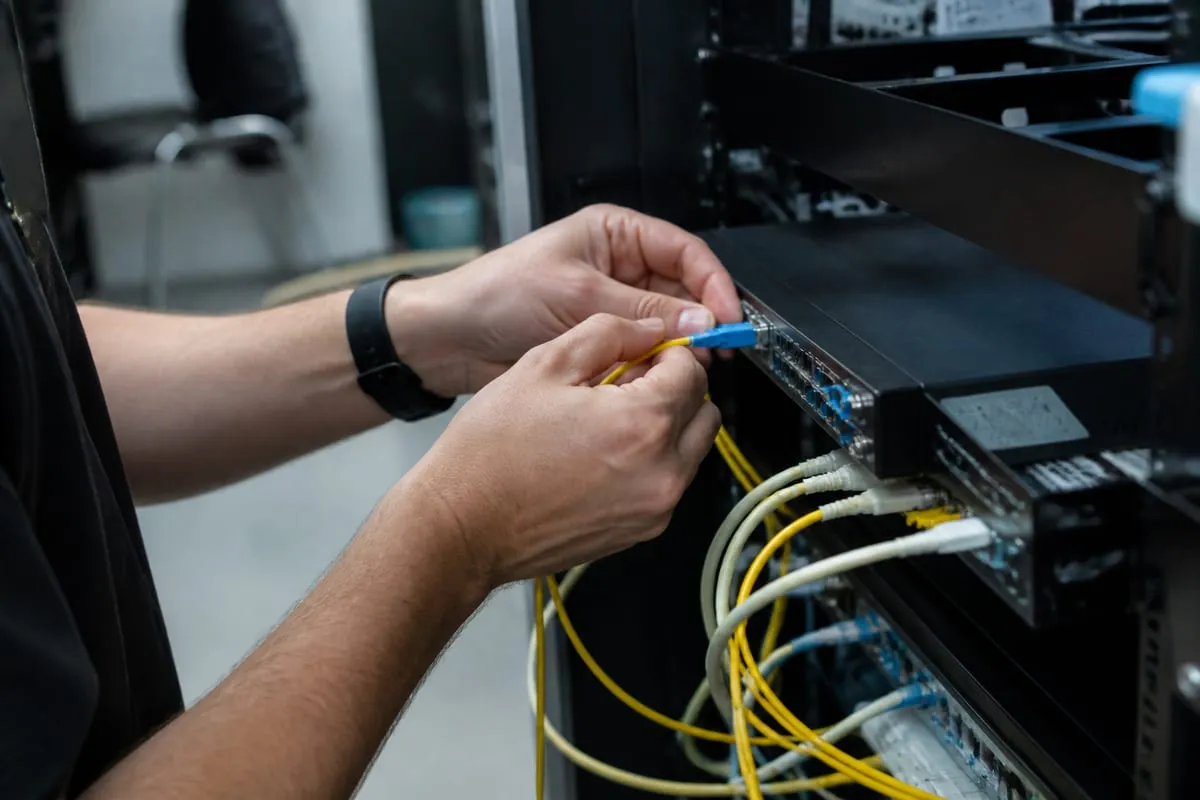
Your network should not be treated as a single open space. An audit should look at firewall settings, Wi-Fi security, guest network separation, VPN or remote desktop exposure, and whether critical systems are segmented appropriately.
For businesses with multiple locations, hybrid work, or vendor access, this becomes even more important. Convenience is useful, but open access without guardrails creates avoidable risk.
Backup and recovery readiness
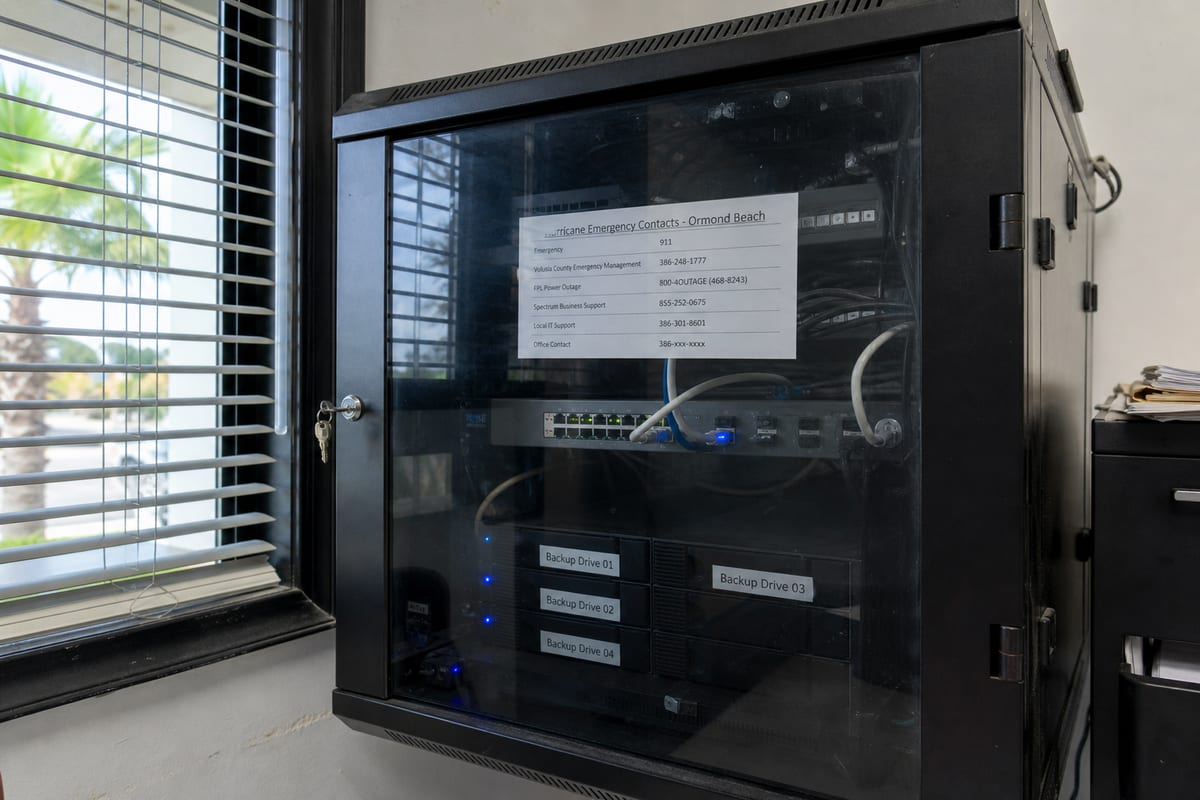
A backup only helps if it is recent, protected, and restorable. A cybersecurity audit should review what data is backed up, how often, where it is stored, who can access it, and whether recovery has been tested.
Ransomware planning belongs here too. If an attacker encrypts your files, your response should not begin with uncertainty about whether backups exist or whether they were also compromised.
Policies, training, and day to day habits
Many incidents start with ordinary behavior, not advanced hacking. Weak passwords, rushed approvals, reused credentials, and unverified payment changes can all create serious problems.
A useful audit looks beyond technology and examines whether employees have clear guidance. That includes onboarding and offboarding, password practices, reporting procedures, data handling, and basic phishing awareness.
Common issues uncovered during small business audits
Most audits do not reveal dramatic movie style breaches. More often, they uncover a series of smaller gaps that add up over time.
Common findings include:
- Multi-factor authentication is not enabled everywhere it should be
- Former employees still have active cloud or email accounts
- Backups exist, but no one has tested restoration recently
- Staff use personal devices without clear controls
- Software updates are inconsistent across devices
- Shared logins are still used for convenience
- Vendor access has not been reviewed in months or years
- Security settings in Microsoft 365 or other cloud platforms are left at basic defaults
None of these problems are unusual, and that is exactly why an audit is valuable. It gives you a chance to fix realistic issues before they become expensive ones.
Turning findings into an action plan
The best audit reports do not just list problems. They help you prioritize them.
A good action plan should separate urgent risks from longer term improvements. For example, exposed remote access, missing multi-factor authentication, or inactive accounts with privileged access should usually be addressed quickly. Other improvements, such as policy cleanup or hardware replacement planning, may be scheduled in phases.
This is also where budgeting becomes easier. When you understand which fixes reduce the most risk, you can spend more intentionally instead of reacting under pressure later.
If you want help evaluating your current security posture, our team can start with a security strategy call to talk through your environment and concerns.
When to schedule an audit
Some businesses wait until they have a scare. It is better to schedule an audit before that point.
Good times to review your cybersecurity include:
- After rapid growth or staffing changes
- Before renewing cyber insurance
- After moving data or email systems to the cloud
- When opening a new location or supporting more remote work
- After a suspected phishing incident or account compromise
- If you have never had a formal security review
Even if your systems seem stable, stability is not the same as security. Environments change quietly over time.
Choosing the right audit approach
Not every business needs the same level of depth, but every business needs clarity. A useful audit should match your size, systems, and risk profile.
That means asking practical questions such as:
- What data would hurt most if it were exposed or unavailable
- Which systems are essential to daily operations
- How many people have access to financial or sensitive information
- Which vendors connect to your systems or store your data
- What would happen if email stopped working for a day
A thoughtful provider should explain findings in plain language and help you understand tradeoffs. If the process leaves you with a report you cannot use, it has missed the point.
You can also learn more about our approach to a cybersecurity audit if you are comparing options and want to understand what a structured review should deliver.
FAQ
How long does a small business cybersecurity audit take?
It depends on the size and complexity of your environment. A small office with straightforward systems may move quickly, while a business with multiple locations, cloud apps, and vendor integrations may need a more involved review.
Will an audit disrupt our day to day operations?
A well planned audit should cause minimal disruption. Much of the work involves reviewing configurations, access, policies, and existing systems rather than interrupting your staff.
Do we need an audit if we already have antivirus and a firewall?
Yes. Security tools matter, but they are only part of the picture. An audit looks at how your systems, accounts, backups, policies, and employee practices work together.
Is a cybersecurity audit only for regulated industries?
No. Regulated businesses often have added requirements, but any company that relies on email, cloud apps, financial systems, customer information, or connected devices can benefit from a review.
A cybersecurity audit is not about chasing perfection. It is about understanding your real exposure and making practical improvements that fit your business. For small businesses in Daytona Beach, that can mean fewer surprises, better resilience, and more confidence in the systems you rely on every day.
If you have been putting off a security review, now is a good time to replace uncertainty with a clear plan. The right audit helps you focus on what matters most, without unnecessary complexity.
Contact us today for expert small business cybersecurity audit services!