
Reliable Technology Support That Keeps Port Orange Businesses Moving
Learn how managed IT services help Port Orange businesses reduce downtime, improve security, and plan smarter technology support.
Published on

For many businesses in Port Orange, technology is no longer a back-office concern. It affects how quickly your team responds to customers, how safely you store data, and how confidently you can grow. When systems are slow, unreliable, or poorly secured, the impact shows up in missed time, frustrated employees, and preventable risk.
Managed IT services give businesses a practical way to stay ahead of those issues. Instead of waiting for something to break, you have a team keeping watch over your systems, helping with day-to-day support, and planning for future needs. For companies that do not want the cost or complexity of building a full internal IT department, this model can bring stability and clarity.
Why this approach makes sense for growing teams
A managed service relationship is about more than fixing computers. It usually includes ongoing maintenance, user support, device management, software updates, security oversight, and guidance on technology decisions. The goal is to create a more predictable IT environment, one where problems are addressed early and your team has someone to call when they need help.
That matters for businesses in Port Orange that are balancing growth with limited internal resources. A medical office, professional services firm, contractor, or retail operation may all depend on technology in different ways, but they share the same basic need, dependable systems that support daily work.
When your provider is proactive, you spend less time reacting to outages and more time running the business. Services like IT Monitoring Services can help identify warning signs before they turn into larger disruptions.
The difference between break-fix and ongoing support
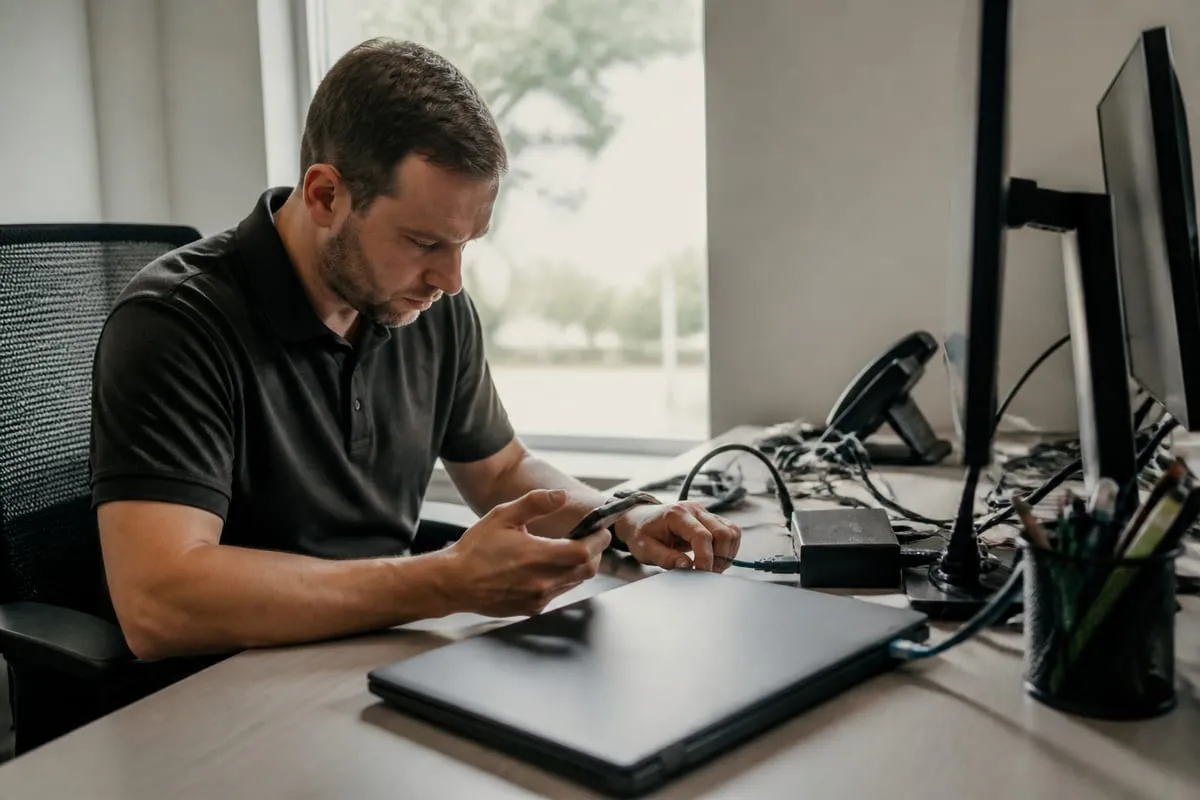
Some businesses still rely on break-fix support, which means calling for help only after something fails. That may seem cost-effective in the short term, but it often leads to longer downtime, inconsistent maintenance, and surprise expenses.
Managed services work differently. Your systems are reviewed and maintained on an ongoing basis. Updates are scheduled, backups are checked, security settings are reviewed, and common issues are handled before they become urgent. This creates a steadier experience for your staff and often reduces the chaos that comes with reactive support.
If your team regularly deals with recurring issues, aging hardware, login problems, unreliable Wi-Fi, or uncertainty around software updates, that is often a sign you need a more structured support model.
Local needs, practical priorities
Businesses in Port Orange often need support that fits real operating conditions, not a one-size-fits-all package. Some have multiple locations across the greater Daytona area. Some have hybrid staff working from home and in the office. Others depend on cloud platforms, mobile devices, and internet-connected tools to serve customers throughout the day.
A good managed IT provider should account for those realities. That includes understanding how your business operates, how quickly issues need to be resolved, and what level of resilience you need if internet access, hardware, or critical applications go down.
Local familiarity can also help. A provider that supports businesses in Port Orange and nearby communities is often better positioned to deliver responsive service, coordinate onsite help when needed, and understand the pace and expectations of local organizations.
Security cannot be treated as a separate project
Many small and mid-sized businesses think of cybersecurity as something to address later, after the basics are in place. In reality, security is part of the basics. Every endpoint, user account, cloud app, and email inbox can create risk if it is not managed properly.
That is why strong managed services should include security-minded processes from the start. This can include patching, access controls, endpoint protection, backup oversight, employee guidance, and response planning. For organizations with greater exposure or compliance concerns, advanced options such as Managed Detection and Response may also be worth considering.
The important point is not to buy every tool available. It is to build a sensible security foundation that matches your environment and reduces avoidable risk.
Signs your business may be ready for outside IT management
Not every company needs the same level of support, but there are common signs that it may be time to bring in a managed IT partner:
- Your team loses time to recurring technical issues.
- Nobody internally owns IT strategy or system maintenance.
- Security tasks are inconsistent or undocumented.
- You are unsure whether backups are working properly.
- New employee setup and offboarding feel disorganized.
- Technology spending is reactive instead of planned.
- Vendors blame each other when problems happen.
If several of these sound familiar, outside support can help create order and accountability.
Choosing a provider without overcomplicating it
A lot of businesses start their search assuming they need to compare long lists of tools and technical specifications. Those details matter, but the better place to begin is with service quality and fit.
Look for a provider that communicates clearly, explains recommendations in plain language, and takes time to understand your business. Ask how support requests are handled, how proactive maintenance is performed, what reporting you receive, and how cybersecurity responsibilities are shared.
It is also useful to ask what happens during onboarding. A thoughtful transition process can reveal a lot about how organized and proactive a provider really is. If they begin with documentation, system review, user needs, and risk assessment, that is usually a good sign.
For businesses that need a dependable day-to-day partner, business IT support services should feel accessible, strategic, and consistent, not confusing or transactional.
Better planning leads to better results
One of the most overlooked benefits of managed IT services is planning. Many businesses spend years making technology decisions one issue at a time. They replace equipment only when it fails, add software without evaluating overlap, and respond to security concerns only after an alert or scare.
A managed approach helps you step back and make better decisions. You can build hardware refresh cycles, standardize systems, improve documentation, and align technology with business priorities. That kind of planning often leads to fewer surprises and a more reliable work environment.
This is especially valuable when your business is hiring, opening another location, adopting cloud tools, or trying to improve customer experience. Technology should support those goals, not slow them down.
FAQ
How much do managed IT services usually include?
It depends on the provider and your environment, but most plans include help desk support, routine maintenance, patching, device oversight, user management, and some level of security support. The right package should reflect how your business actually works.
Are managed IT services only for larger companies?
No. Small and mid-sized businesses often benefit the most because they need reliable support without hiring a full internal IT team. A managed provider can fill gaps and bring structure where internal resources are limited.
Can a managed provider work with our existing software and vendors?
Usually, yes. A good provider should be able to support your current setup, document what you use, and coordinate with third-party vendors when issues involve internet, phones, line-of-business software, or cloud platforms.
Will we still have control over our technology decisions?
Yes. A managed IT partner should advise and support you, not take control away from you. You should still approve major decisions, budgets, and changes based on clear recommendations.
Is onsite support still available if we are in Port Orange?
Many providers offer a mix of remote and onsite service. Remote support handles many issues quickly, but onsite help can still be important for hardware problems, network work, office moves, and hands-on troubleshooting.
Technology works best when it is dependable, secure, and aligned with the way your business actually operates. Managed IT services can help you move from constant troubleshooting to a more stable, planned, and supported environment.
If your team is tired of recurring issues, unclear responsibilities, or reactive fixes, it may be time for a better support model. The right partner should make technology easier to manage, not harder to understand.
Contact us today for expert managed it services!