
Is Your Palm Coast Business Ready When Technology Slows Everything Down?
Practical guidance for Palm Coast businesses that need dependable IT services, faster support, and systems that fit daily operations.
Published on · Craig Wheeler · How this article was made

It usually starts with something small.
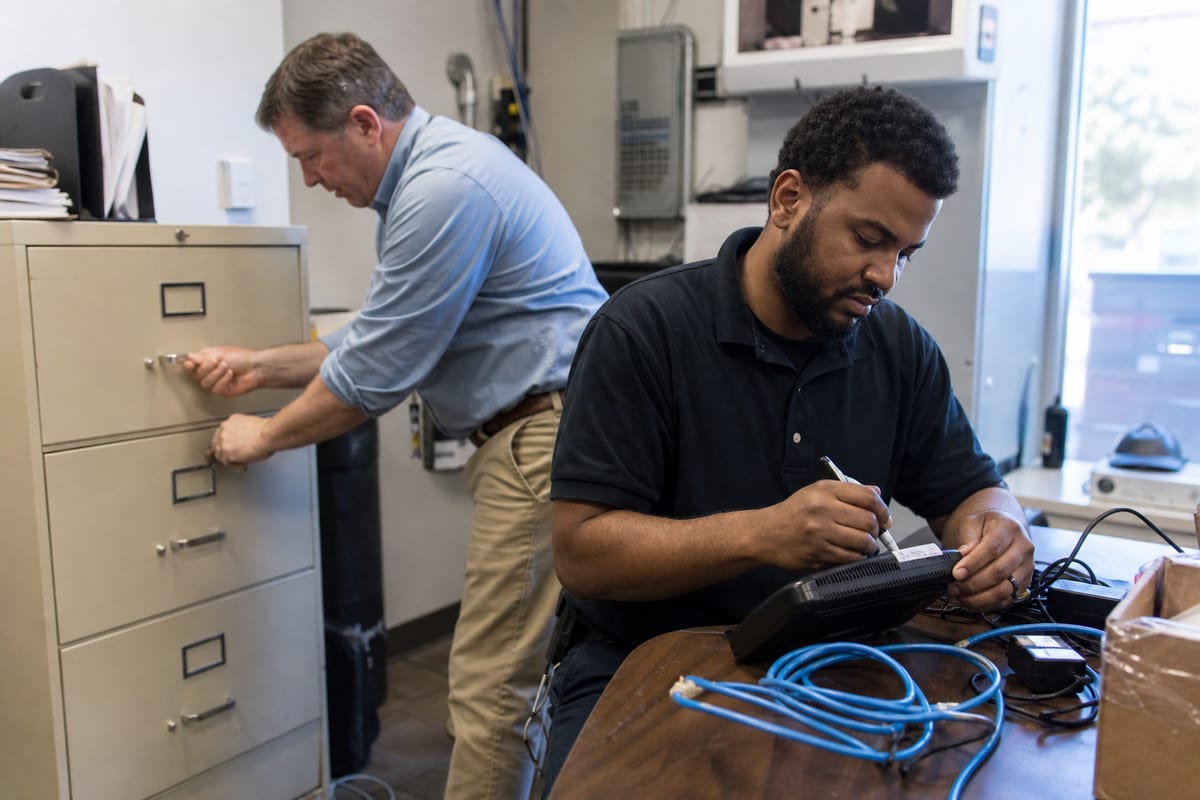
A front desk computer takes forever to open files. Email works on one phone but not another. The printer drops off the network right before a stack of paperwork needs to go out. Nobody calls it a major issue at first, because each problem seems manageable on its own. But by the end of the week, staff are improvising, customers are waiting longer, and the owner is spending part of every day chasing technology instead of running the business.
That situation is familiar for a lot of companies in Palm Coast, especially growing businesses that have added software, devices, and remote access over time without a clear IT plan behind it. The problem is not always dramatic downtime. More often, it is the steady drag of unreliable systems, unclear responsibilities, and support that only shows up after something breaks.
Why Palm Coast businesses often hit this point
Palm Coast has a business mix that creates some very specific technology needs. Many local companies support a population with a large retiree presence, which means healthcare practices, home services, professional offices, and customer-facing businesses often depend on smooth scheduling, dependable communication, and secure handling of personal information. At the same time, the city has continued to grow along the U.S. 1 and Palm Coast Parkway corridors, so businesses that started small are now supporting more staff, more devices, and more locations than they were built for.
That combination matters. A medical office cannot afford spotty access to records. A property management company handling vacation and long-term rentals needs dependable connectivity between office staff, field teams, and vendors. A local contractor moving between job sites and the office needs cloud files, email, and mobile devices to work without friction. In each case, good IT service is not about having the newest tools. It is about making day-to-day work feel predictable.
The real job of IT service is reducing friction
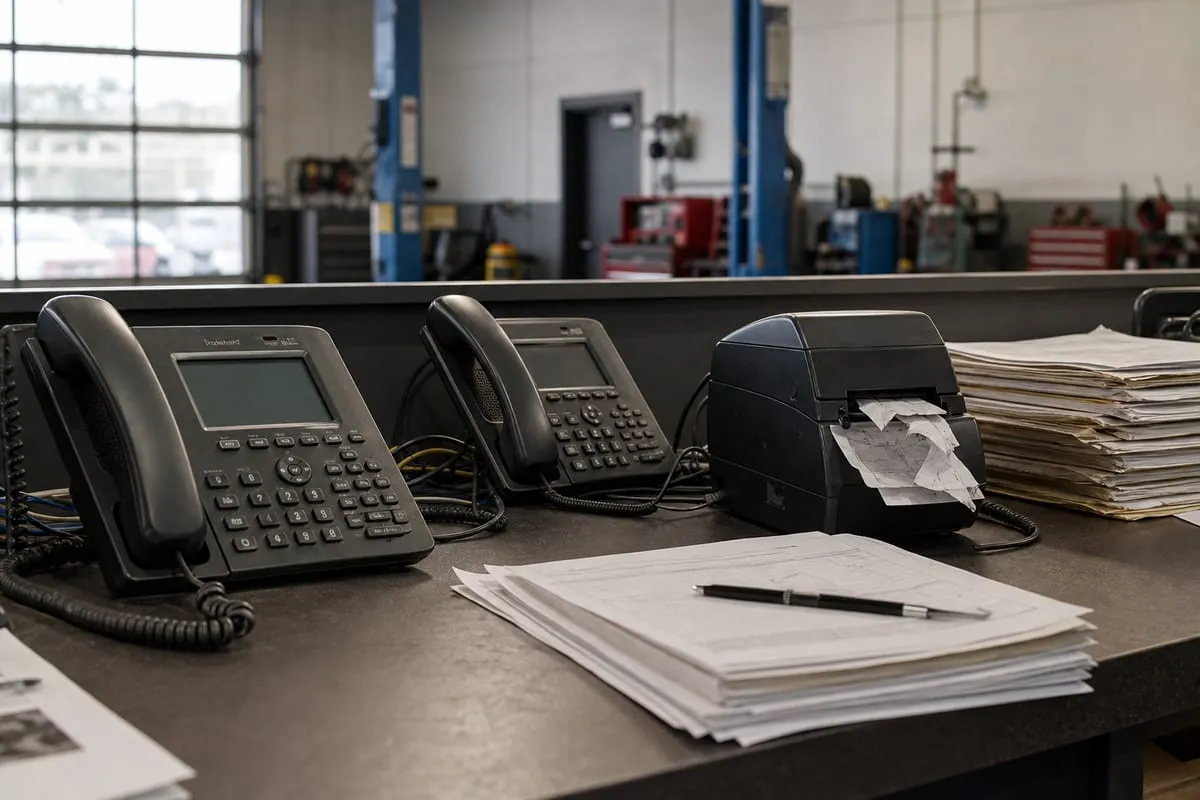
Business owners sometimes think of IT as a repair function. Call when the laptop fails, the internet drops, or the server throws an error. That kind of reactive support has its place, but it is rarely enough for a company that wants to grow without constant interruptions.
Strong IT service should reduce friction across the whole business. That includes setting up devices correctly, keeping systems patched, monitoring for early warning signs, managing user access, improving Wi-Fi coverage, planning backups, and helping employees use tools consistently. It also means translating technical issues into business terms so you can make decisions without guessing.
When your systems are supported well, work moves faster in ways people actually notice. New hires get onboarded without delay. Shared files are easy to find. Password and access issues stop eating up half the morning. Software updates happen with less disruption. Problems are caught earlier, before they turn into a scramble.
For many businesses, that starts with better visibility through IT Monitoring Services, so recurring issues and hidden risks can be addressed before they affect the workday.
A quick way to tell whether your current setup is working
If you are not sure whether your business needs outside help, look at the patterns instead of waiting for a disaster.
Signs your current setup may be holding you back include:
- The same problems keep coming back after they were supposedly fixed
- Employees rely on one unofficial “tech person” in the office
- New devices and accounts are added differently every time
- Nobody is fully sure how backups are configured or tested
- Security tools exist, but no one is reviewing alerts or updating policies
- You only learn about issues after staff start complaining
- Technology decisions are based on urgency rather than a plan
None of these mean your business is failing. They usually mean your technology has outgrown the informal way it has been managed.
Local support should fit the way your business actually operates
The best IT partner is not just the company that answers tickets. It is the one that understands how your team works, what systems matter most, and where downtime hurts the most.
For a Palm Coast business, that may mean planning around a front-office-heavy workflow, supporting staff who split time between the field and the office, or tightening access controls for a business handling sensitive client records. It may also mean recognizing that many local companies are lean teams, where one technology issue can affect customer service, billing, scheduling, and operations all at once.
That is why good service starts with questions, not assumptions. Which applications are essential every day? Who needs remote access? Where are the bottlenecks? What happens if a key device fails? How quickly do you need support when something disrupts customer-facing work?
A provider offering day-to-day IT support should be able to help answer those questions clearly, then build a support approach around them.
Security cannot be bolted on later
A lot of small and midsize businesses still treat cybersecurity as a separate project, something to think about after the network is upgraded or the new software is installed. In practice, security needs to be built into the way IT service is delivered from the start.
That includes basics like multi-factor authentication, secure device setup, controlled permissions, patching, backup strategy, phishing awareness, and documented processes for employee changes. It also includes understanding where your biggest risks really are. For some companies, the biggest concern is email compromise. For others, it is weak remote access, outdated devices, or too many people sharing the same credentials.
If you want a clearer view of those gaps, a cybersecurity risk assessment can help identify where your current environment is exposed and what to prioritize first.
Choosing a provider without getting sold a generic package
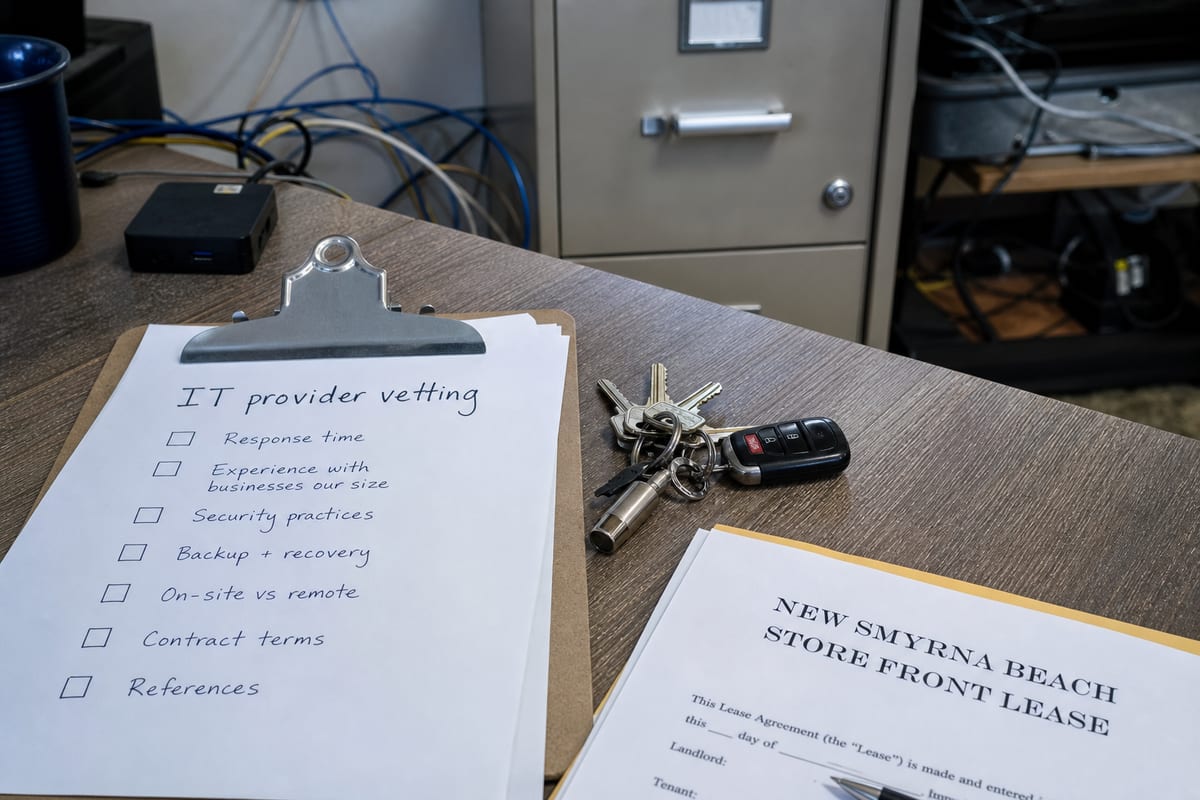
A lot of IT companies sound similar on paper. They mention response times, monitoring, cybersecurity, backups, and strategic guidance. Those things matter, but the difference usually shows up in how they evaluate your environment and communicate with your team.
Look for a provider that can explain:
- What they will standardize first and why
- How they handle onboarding, documentation, and asset visibility
- What is included proactively, not just when you submit a request
- How they prioritize issues that affect customer-facing work
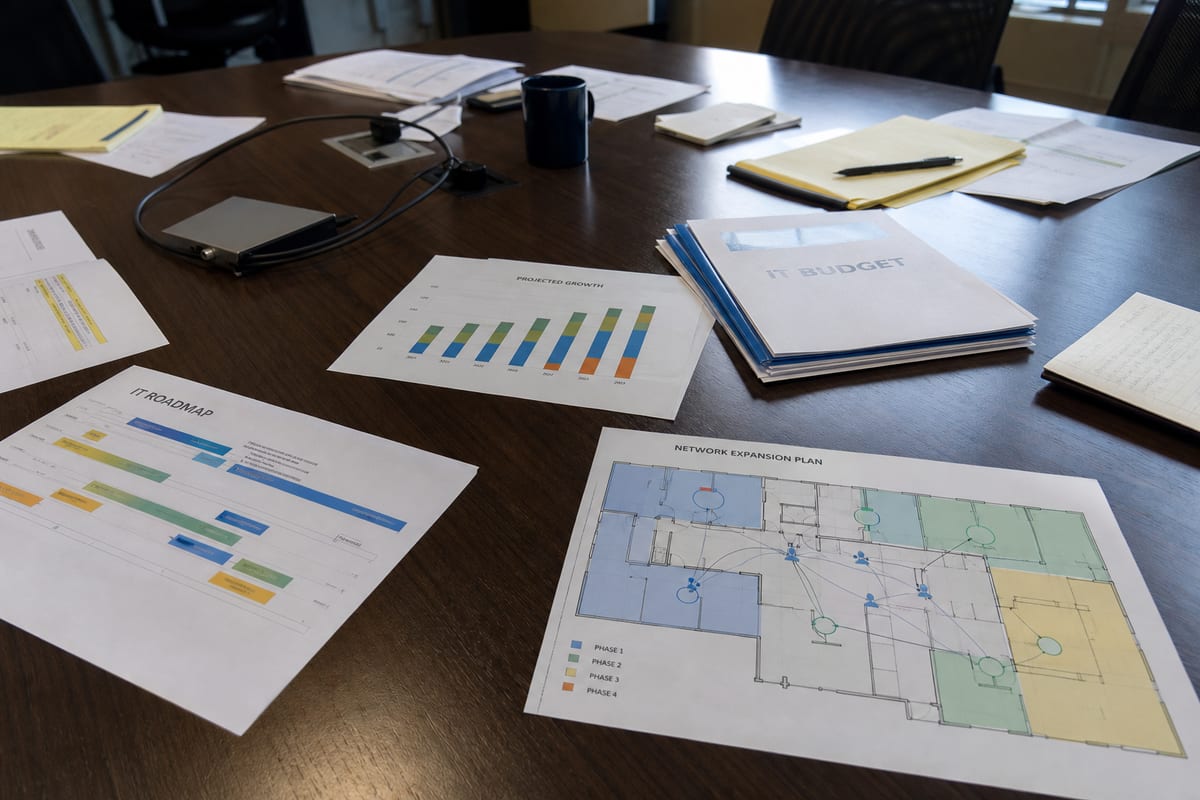
- How they help with planning, budgeting, and lifecycle decisions
- What they expect from your internal team, if you have one
You should also pay attention to whether they talk like a partner or like a vendor. If every answer sounds prepackaged, it probably is. Your business in Palm Coast has its own mix of software, workflows, compliance concerns, and growth plans. The support model should reflect that.
Better IT service feels less dramatic, and that is the point
When technology is working well, there is often less to talk about. Staff stop creating workarounds. Owners spend less time troubleshooting. Small issues get handled before they become everyone’s problem. The business feels more organized, even if customers never see the systems behind it.
That is what effective IT service should do. Not add complexity, not bury you in jargon, and not wait for a failure before taking action. It should create a steadier operating environment for the business you are already trying to build.
If your systems feel harder to manage than they should, that is worth paying attention to. In a growing city like Palm Coast, dependable technology is not just back-office infrastructure. It is part of how you serve customers, support employees, and make confident decisions.
The right support should make your day simpler, not more technical. Talk to our team about IT support built around how your business actually runs.