
Reliable Tech Help That Keeps Your Business Moving
Learn how to choose a nearby IT specialist who can solve problems fast, strengthen security, and support your business growth.
Published on
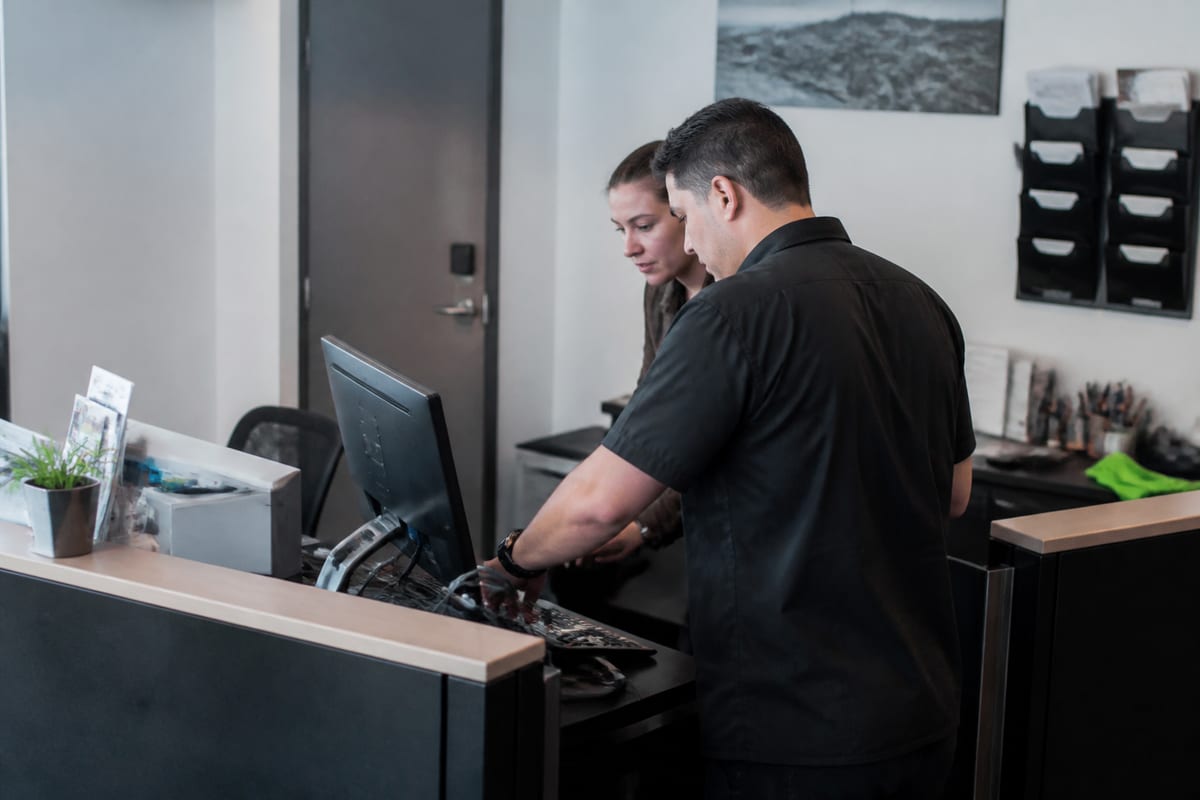
When you search for an IT specialist nearby, you are usually not looking for theory. You need someone who can fix a problem, prevent the next one, and help your business use technology with less stress.
A good IT specialist does more than reset passwords or troubleshoot a slow laptop. The right partner helps your team stay productive, protects your systems from avoidable risks, and gives you a clear path when technology decisions start affecting operations, customer service, or growth.
Why local support still matters
Remote support solves a lot, and in many cases it is the fastest option. Still, there are moments when having someone nearby makes a real difference. Hardware failures, network outages, office moves, workstation setups, and internet issues often go more smoothly when an experienced technician can be on site.
Local support also tends to be more practical because the specialist understands the pace and needs of nearby businesses. They may already know the common internet providers in your area, the usual networking challenges in local buildings, and how to coordinate with your vendors without wasting time.
The difference between quick fixes and real IT support
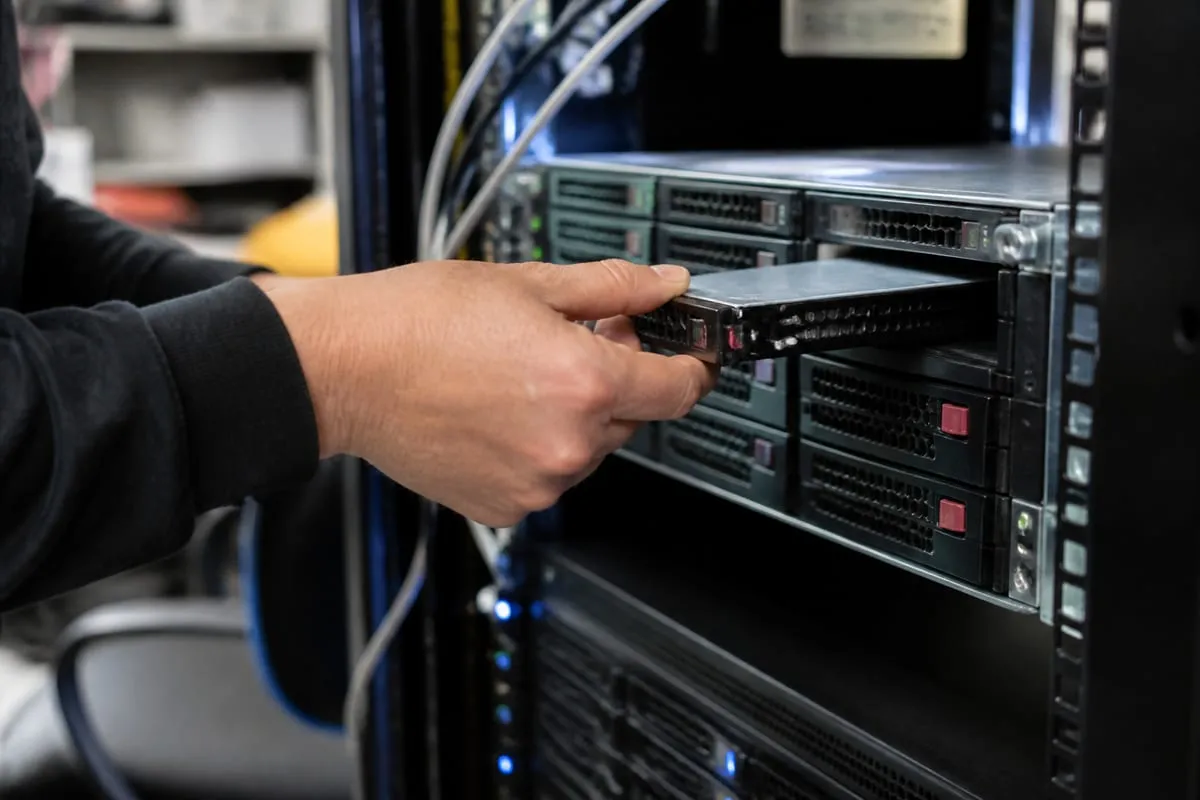
Many businesses start by calling whoever is available when something breaks. That can work for a while, but reactive support often becomes expensive in hidden ways. Small issues pile up. Employees lose time. Security gaps stay open. Important updates get delayed because no one owns the bigger picture.
A strong IT specialist looks beyond the immediate ticket. They ask questions like:
- Why did this issue happen in the first place?
- Is this likely to happen again?
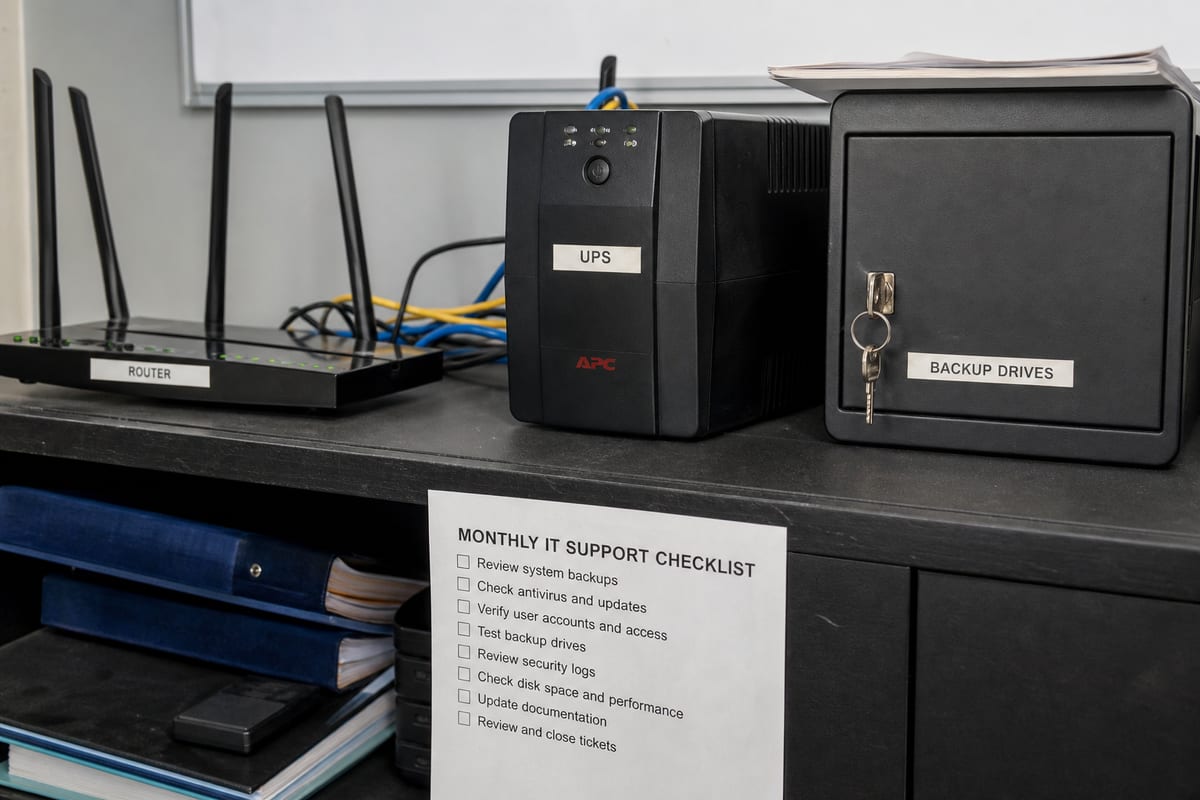
- Are backups working correctly?
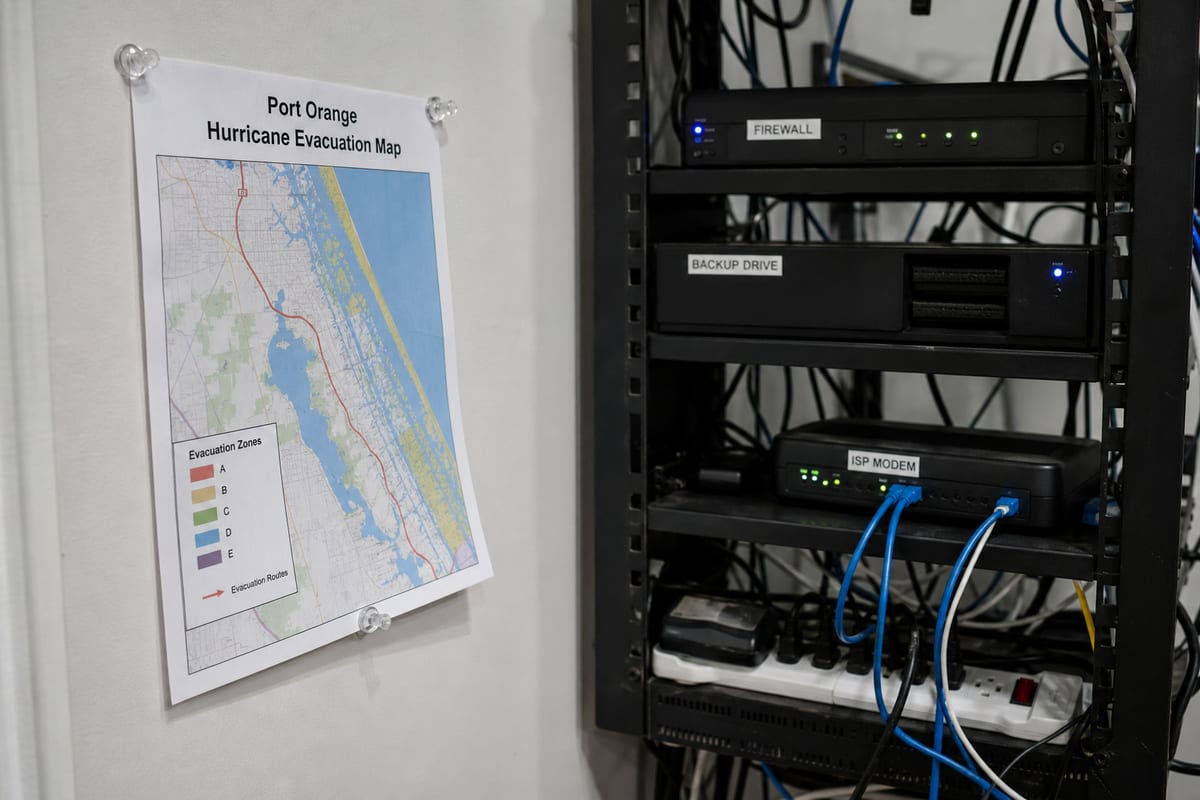
- Is the network secure and documented?
- Are employees using tools that fit the business?
That shift, from fixing symptoms to improving systems, is what turns IT from a frustration into a business asset.
Signs you need more than occasional tech help
If any of these sound familiar, it may be time to look for more consistent support:
- Your team regularly complains about slow devices or unreliable Wi-Fi
- You are not sure whether backups have been tested recently
- Software updates happen inconsistently
- New employees do not have a smooth onboarding process for devices and accounts
- You depend on one person who knows how everything works
- Security feels important, but there is no clear plan behind it
These problems are common, especially in growing businesses. The challenge is not just technical, it is operational. When technology is unpredictable, your staff spends energy working around problems instead of doing their jobs.
What a dependable IT specialist should actually help with
The best support is not defined by a single service. It is defined by whether your technology becomes easier to manage and more reliable over time.
A dependable IT specialist should be able to help with:
- Day-to-day troubleshooting for computers, printers, email, and user accounts
- Network setup and maintenance
- Device management and software updates
- Backup planning and recovery preparation
- Security basics such as access controls, patching, and endpoint protection
- Vendor coordination for internet, phones, software, and cloud platforms
- Planning for growth, upgrades, and replacement cycles
If security is a concern, a structured review can reveal issues that are easy to miss during normal support work. A cybersecurity audit can help identify weak spots before they turn into downtime or data loss.
Choosing the right fit for your business
Not every business needs the same level of support. A small office with a handful of users may need responsive help and basic maintenance. A growing company with multiple locations, cloud tools, and compliance requirements will need deeper planning and more consistent oversight.
When comparing providers, look for clear communication as much as technical skill. A good IT specialist should explain problems in plain language, document what they do, and recommend solutions based on your business priorities, not just the newest tool.
Here are a few smart questions to ask before hiring:
- How do you handle urgent issues?
- What can you solve remotely, and when do you come on site?
- How do you document systems, passwords, and network details?
- What is your approach to backups and recovery testing?
- How do you help businesses reduce security risk over time?
- Will we have a consistent point of contact?
The answers will tell you a lot about whether you are getting a true support partner or just someone who handles tickets.
Security should be part of the conversation
A nearby IT specialist should not treat cybersecurity as a separate topic that only matters after a breach. Everyday support decisions affect security all the time, from how devices are configured to who has access to company data.
That is why it helps to work with someone who can connect support, planning, and risk reduction. If you want guidance on your next step, a security strategy call can help you understand where your current setup stands and what to prioritize first.
Value is not just about the hourly rate
It is tempting to compare providers by price alone, especially if you only call for help occasionally. But the cheapest option can become costly if response times are slow, issues repeat, or no one is thinking ahead.
Real value comes from fewer disruptions, better documentation, stronger security habits, and support that helps your team stay focused. An experienced IT specialist can save money indirectly by reducing downtime, avoiding rushed replacements, and preventing small problems from becoming bigger ones.
When managed support makes more sense
At a certain point, many businesses outgrow ad hoc help. If your team depends heavily on technology every day, ongoing support may be more effective than calling someone only when systems fail.
Managed support usually includes proactive maintenance, monitoring, updates, and a clearer service structure. That means fewer surprises and more accountability. If you are unsure whether your current setup is exposing unnecessary risk, a second cybersecurity audit may help you evaluate the bigger picture.
FAQ
How quickly can a local IT specialist usually help?
It depends on the issue and the provider’s process. Many problems can be handled remotely the same day, while hardware or network issues may require an on-site visit. Ask about response times before you commit.
Is it better to hire a freelance technician or an IT company?
That depends on your needs. A freelance technician may be fine for occasional fixes, but an IT company often provides broader coverage, better documentation, and more continuity if your business relies on technology every day.
Can an IT specialist help with cybersecurity too?
Yes, many can, especially with essentials like patching, access control, device protection, backups, and risk reviews. If your business has more advanced security needs, ask whether they also provide formal assessments and planning.
What should I prepare before contacting an IT specialist?
Make a short list of your biggest problems, the tools your team uses, any recurring outages, and concerns about backups or security. That context helps the conversation become more useful right away.
Finding the right IT support is not about choosing the closest name in a search result. It is about choosing someone who can respond well, communicate clearly, and help your business run with fewer interruptions.
If your systems feel harder to manage than they should, it may be time for a more dependable approach. The right specialist can bring order, stability, and confidence to the technology your team uses every day.
Contact us today for expert it specialist near me services!