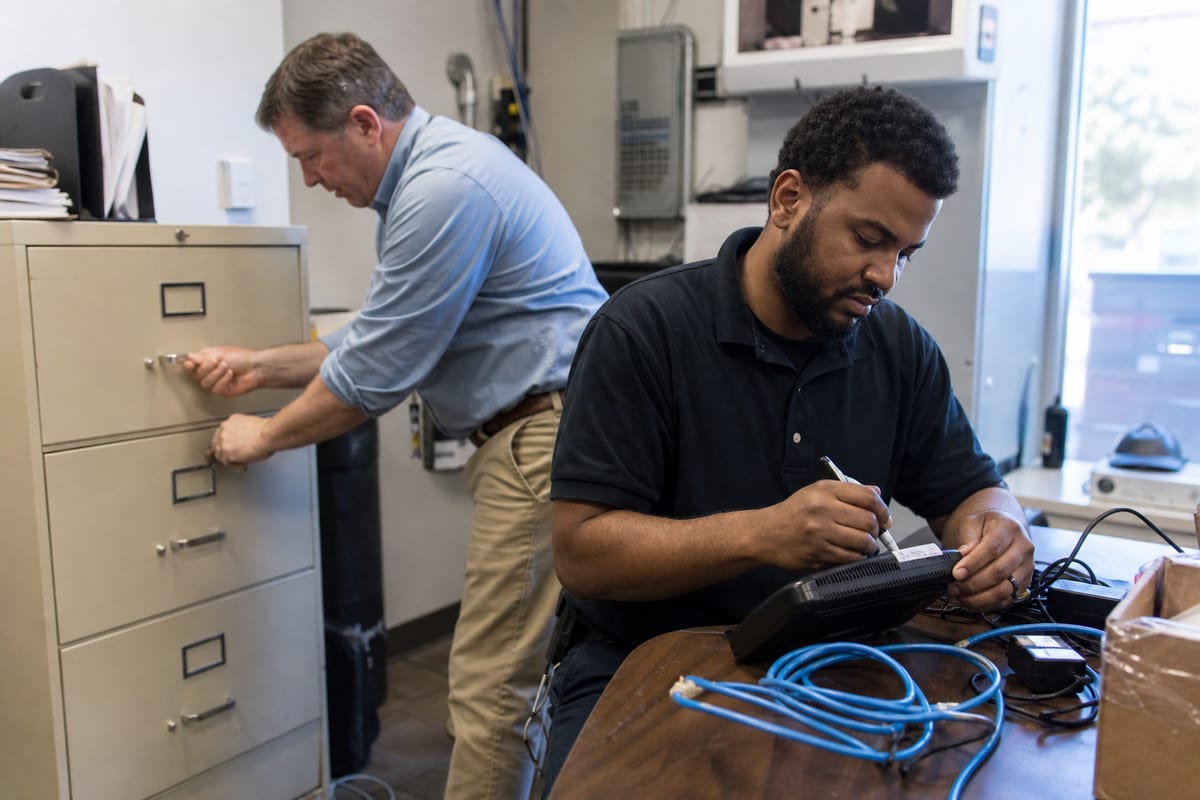

Is Your Ormond Beach Business Getting the IT Support It Actually Needs?
Learn how managed IT services help Ormond Beach businesses improve uptime, security, and day-to-day support without added stress.
Published on · Craig Wheeler · How this article was made
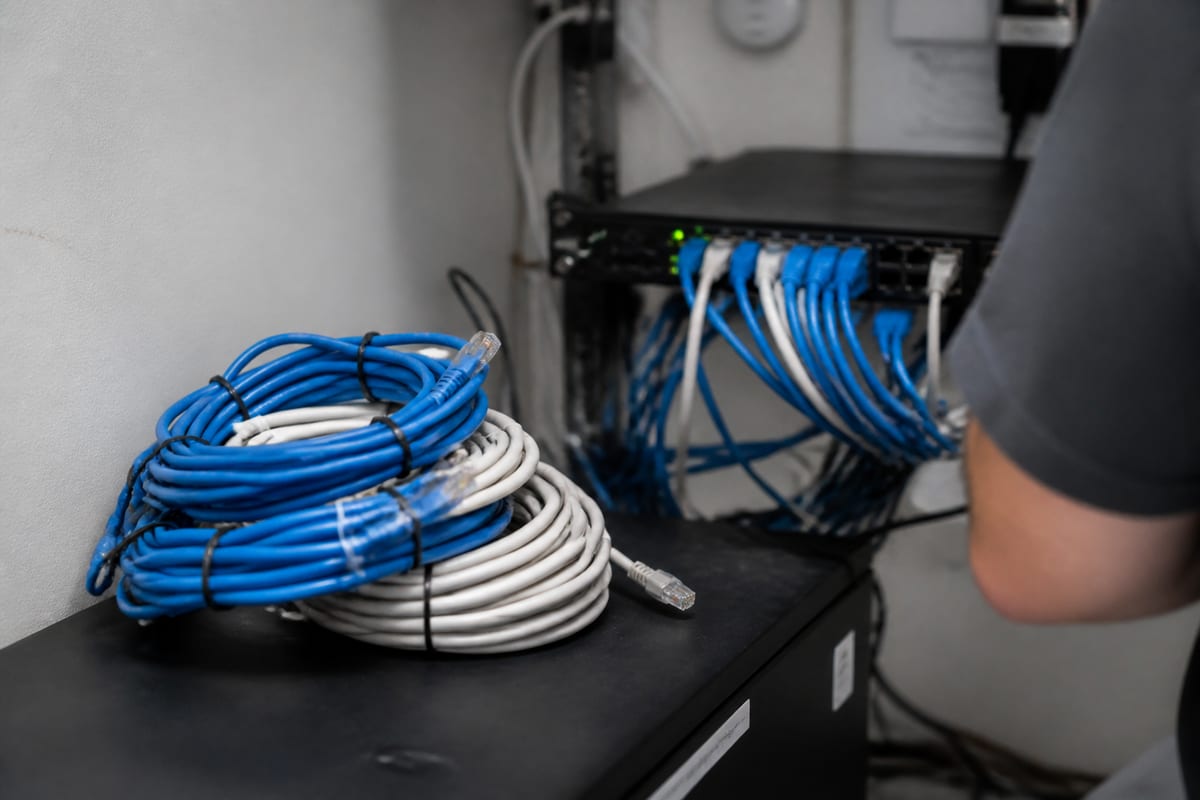
For many small and midsize businesses, technology problems do not show up as dramatic outages. They appear as slow computers, recurring login issues, unreliable Wi-Fi, missed updates, and employees wasting time waiting for someone to fix the same issue again. Over time, those small interruptions become expensive.
That is why many businesses in Ormond Beach turn to managed IT services. Instead of reacting only when something breaks, a managed approach gives you ongoing oversight, maintenance, support, and security planning. It is less about buying a bundle of tools and more about creating a stable technology environment that helps your team work without constant friction.
Why this matters in Ormond Beach
Ormond Beach has a business mix that is a little different from many neighboring areas. Along Granada Boulevard and near the riverfront, you have a combination of professional offices, healthcare practices, local retail, hospitality, and service businesses that depend on reliable systems every day. The city also has a strong identity tied to places like Tomoka State Park and the scenic route along A1A, which supports a steady flow of visitors and local activity. For business owners, that mix often means balancing in-office operations, customer-facing technology, and secure access to data across multiple locations or devices.
A front desk at a medical office has different needs than a marina-adjacent business handling bookings, and both differ from a law office or accounting firm managing sensitive records. Good managed IT services should reflect those differences, not force every company into the same support model.
Managed services are not just “outsourced tech help”

A lot of people assume managed IT simply means calling an outside company when computers stop working. That is only a small part of it.
A well-run managed service relationship usually includes proactive maintenance, system monitoring, patching, user support, device oversight, cybersecurity coordination, backup checks, vendor management, and planning for future needs. The goal is to reduce preventable issues before they interrupt your business.
For example, with IT Monitoring Services, a provider can often spot warning signs early, such as a failing drive, a server resource issue, or a device that has fallen behind on updates. That kind of visibility helps prevent avoidable downtime and gives business owners fewer surprises.
Signs your current setup may be holding you back
Some businesses know they need help because they have already had a major issue. More often, the warning signs are quieter.
You may be overdue for a managed approach if:
- Employees regularly submit the same support requests
- Software updates happen inconsistently
- No one is clearly responsible for cybersecurity follow-through
- New hires are onboarded slowly because account setup is manual
- Backups exist, but no one verifies that recovery will work
- Leadership does not have a clear picture of hardware age, software risk, or future budget needs
- Your internal point person for technology is stretched too thin
These problems do not always feel urgent in isolation. Together, they create drag across the whole business.
The value of proactive support
Reactive support answers the question, “Who fixes this now?” Managed services answer a better question, “How do we keep this from becoming a recurring problem?”
That difference matters. Proactive support can standardize devices, reduce software conflicts, improve patching discipline, document systems, and create clearer processes for employee requests. It also helps leadership make better decisions because there is a real inventory of assets, known risks, and a roadmap instead of guesswork.
If your team often needs day-to-day help with devices, accounts, printers, email, or access issues, consistent business IT support can remove a lot of frustration and free employees to focus on their actual jobs.
Security belongs in the conversation from day one
Many businesses start looking for managed IT because they want better support, then realize security gaps are part of the same problem. An unsupported workstation, weak password practices, unmanaged devices, or inconsistent patching can all create risk.
Managed services should include practical security oversight, not just a checklist. That means reviewing access controls, keeping systems current, helping users follow safer habits, and escalating suspicious activity quickly. For companies with higher exposure or stricter data concerns, managed detection and response can add another layer of visibility and faster incident response.
The right security approach should fit your environment. A small office with ten employees does not need the same setup as a multi-site organization, but both need a plan that is actively maintained.
Choosing a provider that fits your business
Not every managed service provider works the same way. Some are highly responsive but light on planning. Others are strong on tools but weak on communication. The best fit is a provider that can do both.
When evaluating options, ask questions like:
- What is included in ongoing support versus billed separately?
- How are issues prioritized and escalated?
- What does onboarding look like?
- How do you document systems and credentials securely?
- How often do you review risk, lifecycle, and strategy with clients?
- How do you handle after-hours issues?
- Will we work with a consistent team that understands our environment?
A good provider should answer clearly, without hiding behind jargon. You should come away understanding how they will support your business in practical terms.
One size does not work for every office
A business with a small in-house admin team may need full operational support. Another may only need outside expertise for monitoring, cybersecurity, and escalation. Some companies want a provider to manage vendors, internet issues, Microsoft 365 administration, and hardware planning. Others mainly need structure and accountability around systems they already have.
That is why the best managed IT relationships start with assessment, not assumptions. A provider should look at how your team works, what systems matter most, where downtime hurts the most, and what level of support makes financial and operational sense.
FAQ
How is managed IT different from break-fix support?
Break-fix support is reactive, you call when something stops working. Managed IT is ongoing, with maintenance, monitoring, support, and planning designed to reduce issues before they disrupt the business.
Is managed IT only for larger companies?
No. Small and midsize businesses often benefit the most because they may not have enough internal staff to manage support, security, updates, and planning consistently.
Will we lose control of our systems if we use a managed provider?
You should not. A good provider improves visibility, documentation, and decision-making. You still set priorities for your business, while the provider helps execute and advise.
Can managed services help if we already have someone internal handling IT?
Yes. Many businesses use managed services to support internal staff with monitoring, escalation, security, documentation, and project assistance.
How do we know what level of service we need?
Start with your pain points. Look at recurring issues, downtime, security concerns, employee support needs, and whether your current setup gives leadership enough clarity to plan ahead.
Technology should make your business easier to run, not harder to manage. If your team is dealing with recurring issues, unclear responsibilities, or constant interruptions, a managed approach can bring structure, consistency, and peace of mind.
For businesses in Ormond Beach, the right partner is not just someone who fixes problems. It is a team that helps you prevent them, supports your staff, and keeps your systems aligned with how your business actually operates.
Contact us today for expert managed it services!