
Constant Firefighting vs. Steady Growth: A Smarter IT Approach for Port Orange Businesses
Learn how managed IT services help Port Orange businesses reduce downtime, strengthen security, and plan technology with confidence.
Published on · Craig Wheeler · How this article was made

For many small and midsize businesses, technology only gets attention when something breaks. A server goes down, email stops syncing, a staff member clicks a suspicious link, or the internet becomes unreliable right before a busy afternoon. That reactive cycle is expensive, distracting, and hard on your team.
Managed IT services offer a different model. Instead of waiting for problems, you work with a provider that monitors systems, handles routine maintenance, supports your staff, and helps you make better technology decisions over time. For businesses in Port Orange, that can mean fewer interruptions, clearer planning, and a more dependable foundation for daily operations.
Why this matters in Port Orange
Port Orange has a business mix that benefits from practical, responsive technology support. Medical and professional offices along Dunlawton Avenue, retail and service businesses near The Pavilion at Port Orange, and companies serving nearby residential growth all rely on systems that need to work consistently throughout the day. When scheduling software, payment systems, phones, Wi-Fi, or shared files stop cooperating, the issue is not just technical, it affects customers, staff productivity, and revenue.
That is why many businesses in Port Orange are moving away from the break-fix approach. They want predictable support, not surprise emergencies.
More than fixing tickets
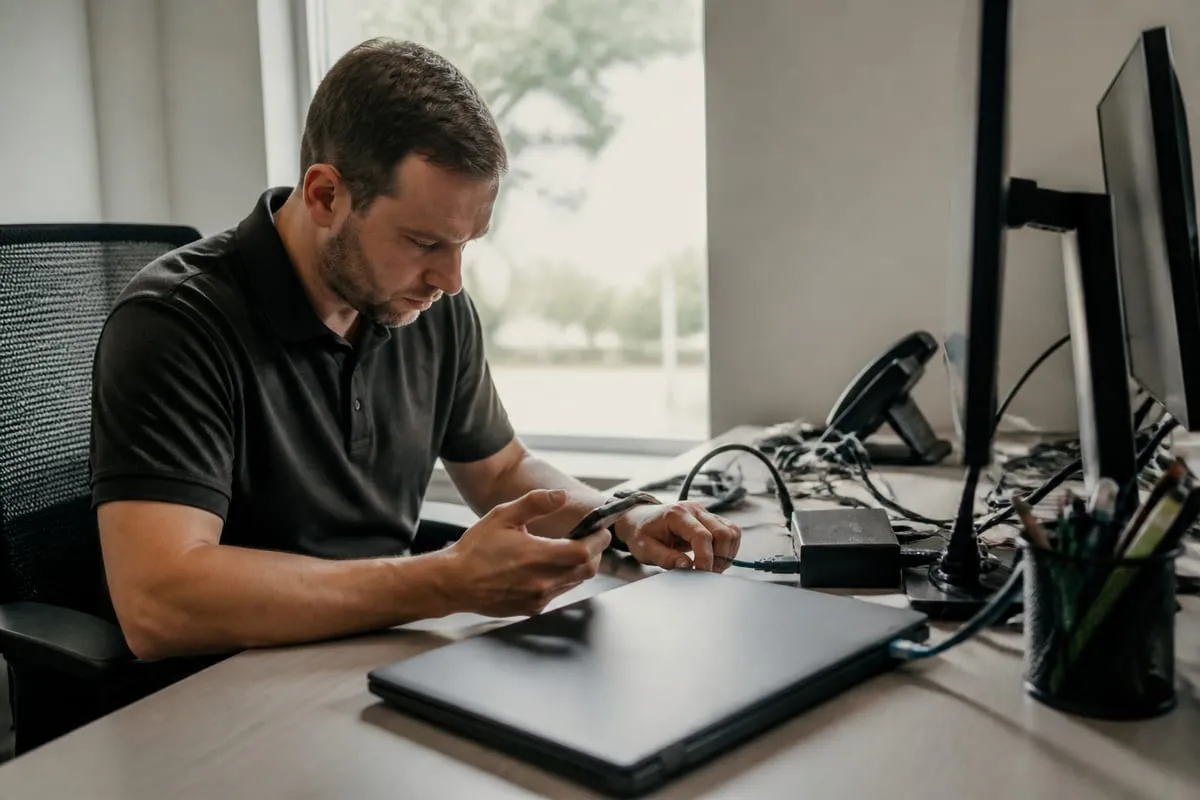
A good managed IT relationship is not just a help desk contract. It should cover the day-to-day health of your environment and help your business stay ahead of avoidable issues.
Typical services often include:
- Ongoing device and network oversight
- Patch management for workstations and servers
- User support for common technical issues
- Security updates and endpoint protection
- Backup checks and recovery planning
- Vendor coordination for internet, phones, and line-of-business software
- Strategic guidance for hardware replacement, cloud tools, and budgeting
If your current support only shows up after something fails, you are probably not getting the full value of managed services.
One part of that proactive model is consistent visibility. With IT Monitoring Services, businesses can catch warning signs earlier, before a small issue turns into downtime.
The real business value is predictability
Most owners and office managers are not looking for flashy technology. They want stable systems, quick answers, and fewer disruptions.
Managed IT services support that in several ways:
Fewer interruptions during the workday
Routine maintenance, patching, and monitoring reduce the chances of avoidable outages. Problems still happen, but they are often smaller and easier to resolve when someone is watching your systems closely.
Better support for your team
Employees lose time when they cannot access files, printers, line-of-business apps, or email. Fast support helps, but so does standardizing devices, permissions, and workflows so fewer issues occur in the first place.
More control over costs
Reactive IT spending is hard to budget. Managed services usually provide a clearer monthly structure and help you plan for upgrades instead of getting blindsided by them.
Stronger security habits
Cybersecurity is not a one-time purchase. It is an ongoing process of updates, visibility, access control, user awareness, and response planning. A managed provider helps keep those basics from slipping.
For organizations that need deeper protection against modern threats, Managed Detection and Response adds another layer of oversight and incident response support.
Not every provider works the same way
The phrase managed IT services can mean very different things from one company to another. Some providers focus mostly on remote support. Others bring a broader approach that includes planning, documentation, cybersecurity, and business continuity.
When evaluating options, ask practical questions like:
- What is included each month, and what creates extra charges?
- How are response times handled for urgent and non-urgent issues?
- Do you support both end users and infrastructure?
- How do you handle onboarding, documentation, and asset tracking?
- What security standards do you recommend for a business like ours?
- How do you help with long-term planning and budgeting?
- Will we have a consistent point of contact who understands our environment?
Clear answers matter. You should know whether you are buying real partnership or just a ticket queue.
A local business lens changes the conversation
Technology advice should fit the way your company actually operates. A medical office with compliance concerns, a professional services firm with remote staff, and a retail business with point-of-sale systems all need different priorities.
That is especially true in Port Orange, where many organizations are lean, service-focused, and do not have time for drawn-out technical projects. They need support that respects business hours, communicates clearly, and keeps day-to-day operations moving. A provider familiar with the pace and needs of businesses in Port Orange can often make decisions faster and recommend solutions that match the local market.
Signs your business may be ready for a managed model
You do not need to be a large company to benefit from managed IT services. In fact, smaller organizations often gain the most because they do not have in-house capacity to stay on top of every system, update, and security task.
You may be ready if:
- Staff are repeatedly dealing with the same technical problems
- You are unsure whether backups are working properly
- Cybersecurity feels pieced together rather than planned
- Hardware upgrades happen only after failures
- Vendors blame each other when something goes wrong
- Your team has grown, but your IT approach has not
- You need guidance on Microsoft 365, remote access, or device management
If several of those feel familiar, it may be time to rethink support.
A strong partner for day-to-day IT support can help stabilize operations while creating a roadmap for future improvements.
Planning matters as much as support
One of the most overlooked benefits of managed services is strategy. Good providers do not just solve today’s issue, they help you prepare for next quarter and next year.
That can include:
- Creating a realistic hardware lifecycle
- Reviewing software sprawl and license usage
- Improving onboarding and offboarding processes
- Tightening admin access and password policies
- Identifying backup gaps and recovery priorities
- Recommending cloud tools that fit your workflow
Without that planning layer, many businesses end up with a patchwork environment that becomes harder and more expensive to manage over time.
FAQ
How is managed IT different from calling someone when something breaks?
Break-fix support is reactive. Managed IT is ongoing. It typically includes monitoring, maintenance, user support, and planning, which helps reduce problems instead of only responding after they happen.
Is managed IT only for larger companies?
No. Small and midsize businesses often benefit the most because they need reliable systems but may not have internal IT staff to manage everything consistently.
Can managed IT help with cybersecurity?
Yes. A good provider can improve patching, endpoint protection, access controls, backup practices, and incident readiness. Cybersecurity should be part of the overall service, not treated as an afterthought.
Will we lose control of our technology?
You should not. The right provider works as a partner, gives clear recommendations, documents your environment, and helps you make informed decisions. You remain in control of business priorities and approvals.
How do we know what level of support we need?
Start with your current pain points, growth plans, compliance needs, and internal resources. A provider should be able to assess your environment and recommend a right-sized approach instead of pushing unnecessary tools.
If your business is spending too much time reacting to technical issues, managed services can bring structure, stability, and a clearer path forward. The goal is not just to fix computers, it is to make technology easier to rely on as your business grows.
For businesses in Port Orange, the best IT support feels practical, responsive, and aligned with real operational needs. When your systems are monitored, maintained, and planned with intention, your team can stay focused on work that actually moves the business forward.
Contact us today for expert managed it services!